
It is easy to think that character collaborations are conducted in only one way.
However, in actual licensing practice, the process varies depending on the purpose of the collaboration and the deliverables.
Some projects make products themselves and sell them for a long time, while others conduct collaborations only for a limited time.
In some cases, characters are utilized in physical spaces like pop-up stores, while in others, they are used exclusively in online advertisements.
When the purpose of the project changes like this, not only the contract method but also the settlement structure, the character assets provided, and the usage period all change.
So, it is important to first understand what type of project it is before starting the collaboration.
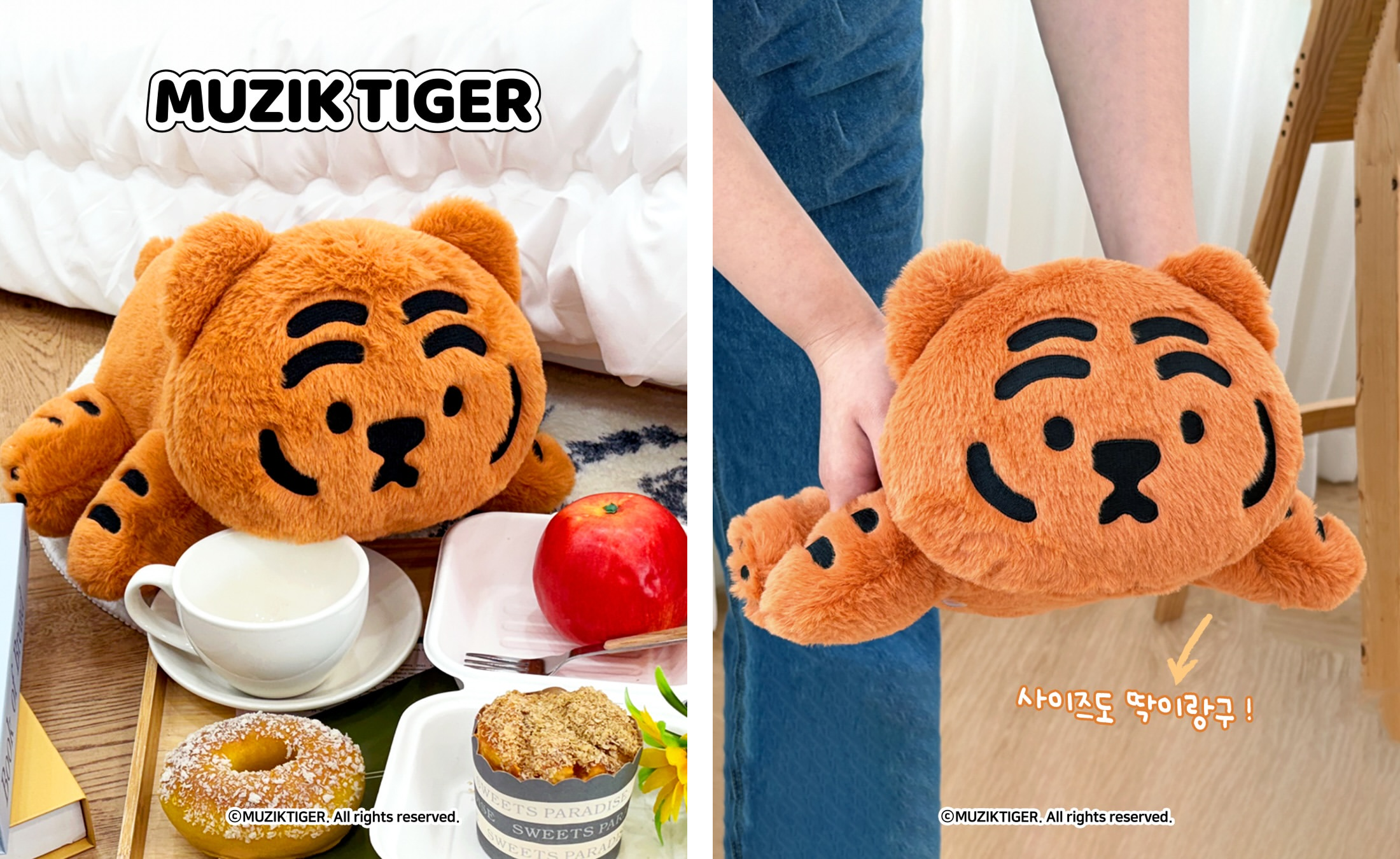
Product production licensing is the most representative character licensing method.
It is a structure where a brand obtains the rights to use a character, directly plans and produces products, and then sells them through various distribution channels such as online malls or offline stores.
Most character products sold in the market, such as stationery, dolls, and toys, fall into this category.
In such cases, the contract is generally structured so that royalties are paid based on sales performance.
As sales continue, IP holders can earn continuous revenue, and brand partners can also expect stable sales by operating the product for an extended period.
The biggest feature is that it is not a one-time event, but rather the positive effects on both the brand and the character grow as the product establishes itself in the market.

The most familiar type of character collaboration is short-term merchandising and collaboration.
This includes limited-edition projects that run only for a specific period, such as new product launches, seasonal events, and brand promotions.
Cafe seasonal goods, convenience store limited edition products, and brand collaboration packages are representative examples.
Since short-term commercialization and collaborations are not based on long-term sales, license fees are often determined at the contract stage rather than settling royalties based on sales volume.
With clearly defined project duration and scope of use, the contract structure is relatively simple, making it a suitable method for increasing brand awareness and buzz within a short period.
POINT
Product production licensingSimply put, it is a 'long-run item.' Once planned and produced, it sells for a long time and can become a steady seller.
Short-term commercialization and collaborationIt is suitable for short-term projects, like a 'season limited edition'.

It is a project that applies characters to spaces rather than products.
This includes cases where offline spaces, such as pop-up stores, exhibitions, brand experience zones, and event booths, are decorated with characters.
The goal is to plan so that visitors can experience the space itself as a piece of content.
This type does not simply end with providing character images.
High-resolution original files or design guides necessary for spatial staging are often provided, and you must discuss the event period, venue, operation method, and space size in advance before signing the contract.
As the entire space is a crucial element in creating the brand experience, a key feature is that the scope of character usage and design guidelines are managed more meticulously than in other projects.

It is a project that utilizes characters in online content.
This is the type of approach taken when using characters in various online marketing activities, such as social media ads, YouTube content, digital banners, event pages, and brand videos.
Instead of manufacturing a physical product, it is important to clearly define 'where and for how long it will be used' during the contract phase.
For example, you need to discuss in advance whether to use Instagram ads for only three months, display them only domestically, or utilize overseas channels as well.
In this case, the range within which character images can be modified or resized is often also determined.
You must clearly establish the terms of use to reduce potential rights disputes or modification requests that may arise during the project.
It is a method of purchasing and selling already produced character merchandise instead of manufacturing products directly.
Similar to a structure of wholesale or purchasing, brands buy finished goods in bulk and then sell them through their own distribution networks or use them for promotions.
In this type, the brand does not participate in the design or production process of the product.
Instead, it is important to coordinate sales channels or regions in advance to avoid conflicts with existing distribution networks.
In addition, since payment is made after product inspection and delivery are completed, the stability of the transaction can be increased.
This is a suitable method for brands that want to reduce their in-house production schedules and secure products quickly.
Character collaborations are not conducted in just one way.
There are projects that produce products directly, and there are also projects that utilize space, such as limited edition collaborations or pop-up stores.
There are also methods such as utilizing characters in online advertisements or purchasing and distributing already produced goods.
Since the contract method, settlement structure, and required materials all vary depending on the project type, it is a good idea to first identify what type of project it is if you receive a collaboration proposal.
If you start by accurately understanding the nature of the project, you can plan the schedule and budget more efficiently and reduce unnecessary trial and error during the contracting process.
Innerbooth supports various project types tailored to the collaboration objectives of brands.
We also operate a secure escrow settlement system, allowing both brands and IP holders to collaborate with peace of mind.
How about these characters?