
November 26, 2025
Collaboration utilizing character IP is one of the most popular marketing methods chosen by brands these days.
This is because it is an attractive way to quickly transform the brand image and build emotional closeness with customers in a short period of time.
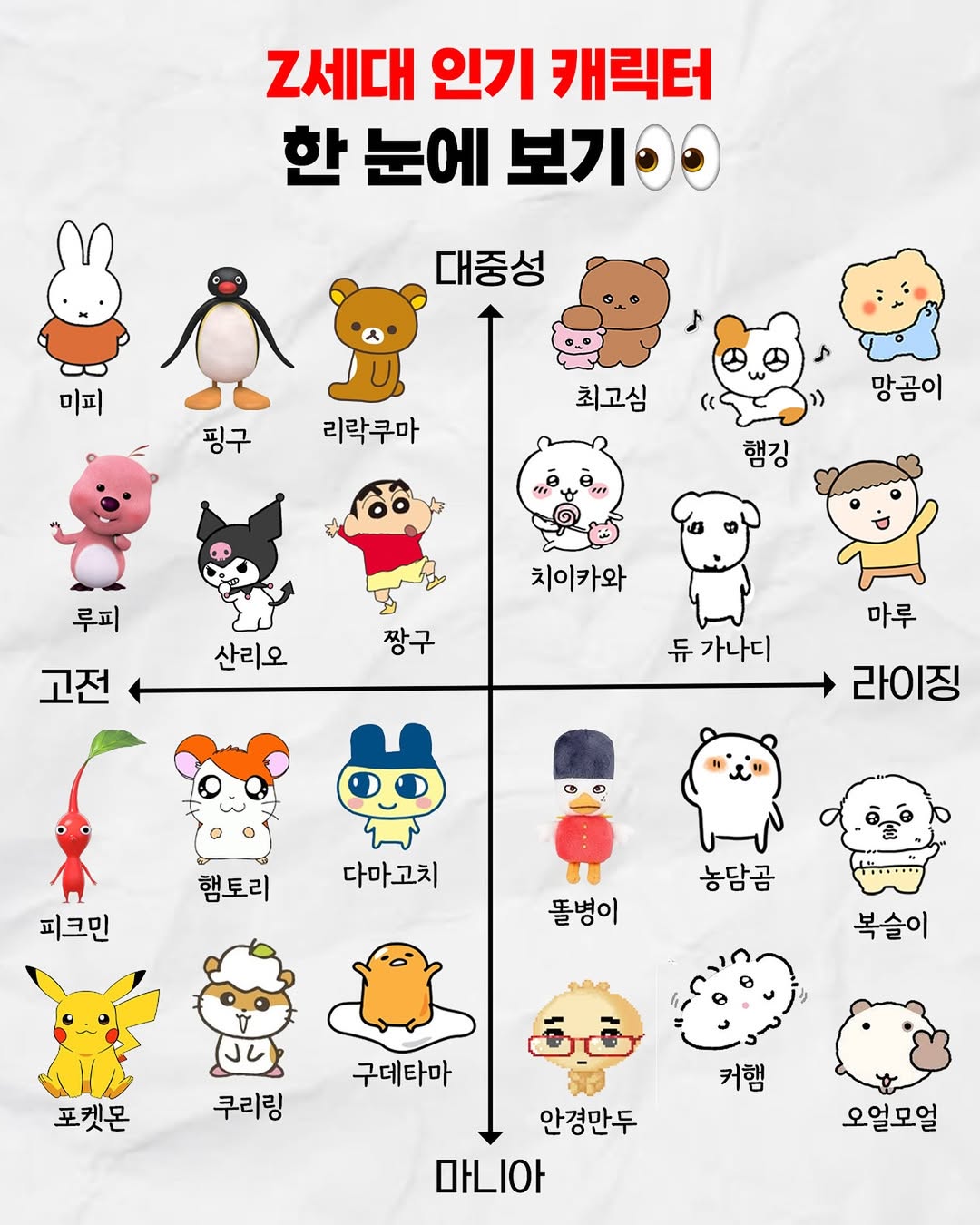
Especially for brands targeting customer segments with strong character purchasing power, such as the MZ generation, IP collaboration is not just a simple option but is closer to an ‘essential strategy.’
However, as much as its visible appeal, the IP business has a complex structure and there are many factors to consider during the collaboration process.
Therefore, if brand partners approach collaborations without sufficient background knowledge, various problems are likely to arise, such as the collaboration faltering midway or the fandom's reaction differing from expectations.
In today's post, I will highlight the key points to help brand partners new to IP business easily start a character business.
The most common problem in IP collaboration arises when the ‘scope of use’ is misunderstood.
Many brands believe that if they obtain permission to use an image, they can use it freely everywhere.
However, actual IP licenses are divided into very detailed categories.
For example, while the production of merchandise may be possible, its use in advertisements may not be, and while social media posts are allowed, offline installations may require additional approval.

If you apply characters without fully understanding these aspects, you may suddenly receive requests to discontinue use later in the collaboration, or find yourself in a situation where you have to revise marketing content that has already been created.
So, the first step in collaboration is always to accurately understand the ‘scope within which characters can be used in this collaboration.’
If you just clearly define this part, you can significantly reduce issues with character utilization.
💫 For more details on this sectionHereYou can see it!
One of the mistakes brands make when undertaking their first character collaboration is viewing the character merely as a ‘pretty and cute design element.’
However, a character is not just a simple image, but an independent brand.
Each character has a personality, a way of behaving, and their own unique worldview.
Therefore, if you use a character with an atmosphere or message that does not match their personality, the IP holder is bound to react sensitively.
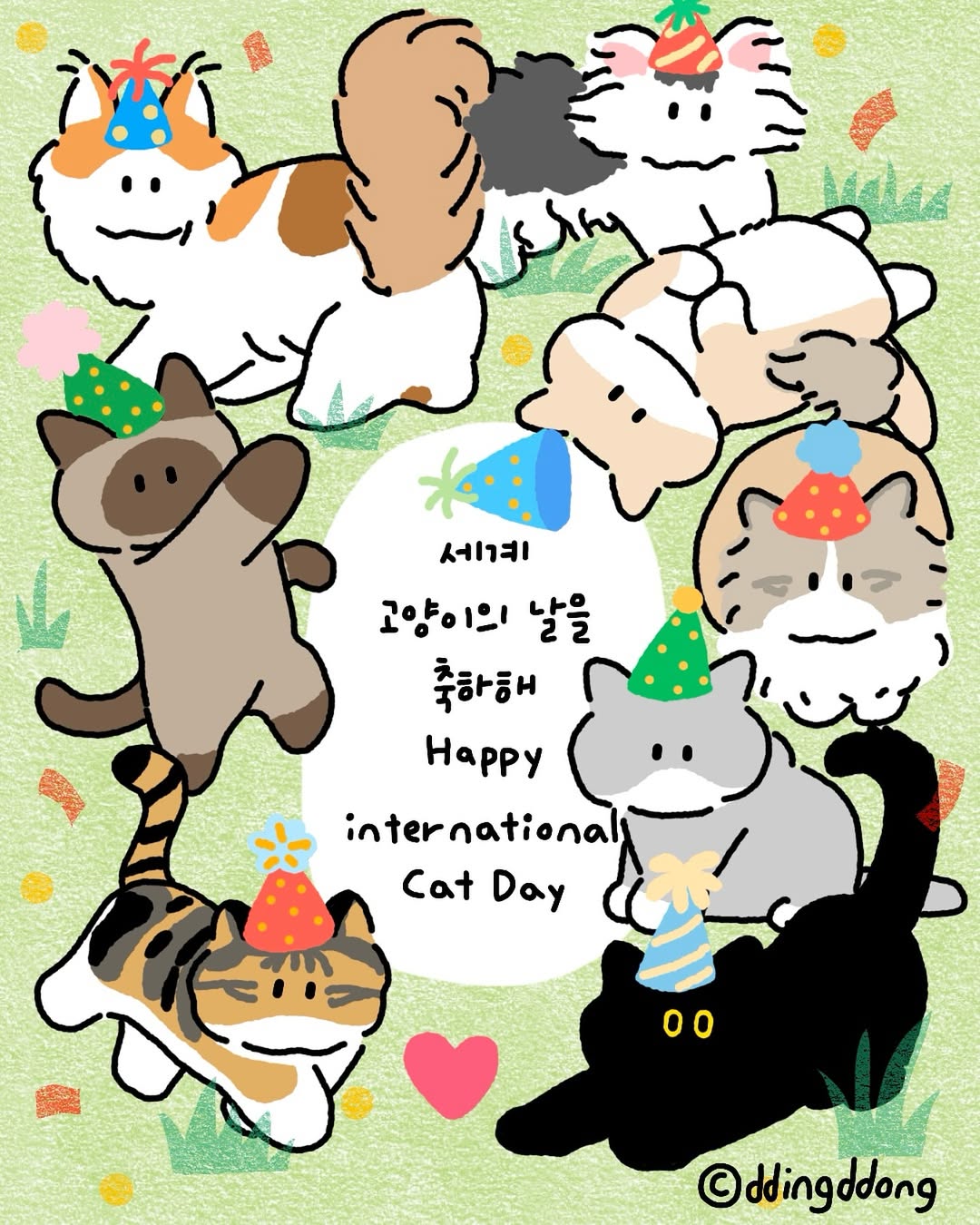
For example, if provocative copy is given to a character loved for their warm and comfortable atmosphere, or if the setting is arbitrarily changed to suit the brand's purpose, it conflicts with the character's original image.
From a brand's perspective, changing a single small element might not seem like a big deal, but from a character's perspective, it is a major issue as it involves altering an identity built up over a long period of time.
So, when conducting a character collaboration, you should not blindly push the brand message, but rather respect and align with the character's tone and worldview.
If you adjust the brand message while preserving the essence of the character, not only will the completeness of the collaboration be enhanced, but you can also build a relationship of trust with the IP holder much more easily.
The biggest characteristic of the IP business is that the fandom largely determines the success or failure of collaborations.
It is easy to understand a fandom as a group that likes a character, but having liked the character for a long time, I know better than anyone what kind of atmosphere and personality the character has, and in what context it has been loved.
In other words, their understanding of the character is superior to anyone else's.
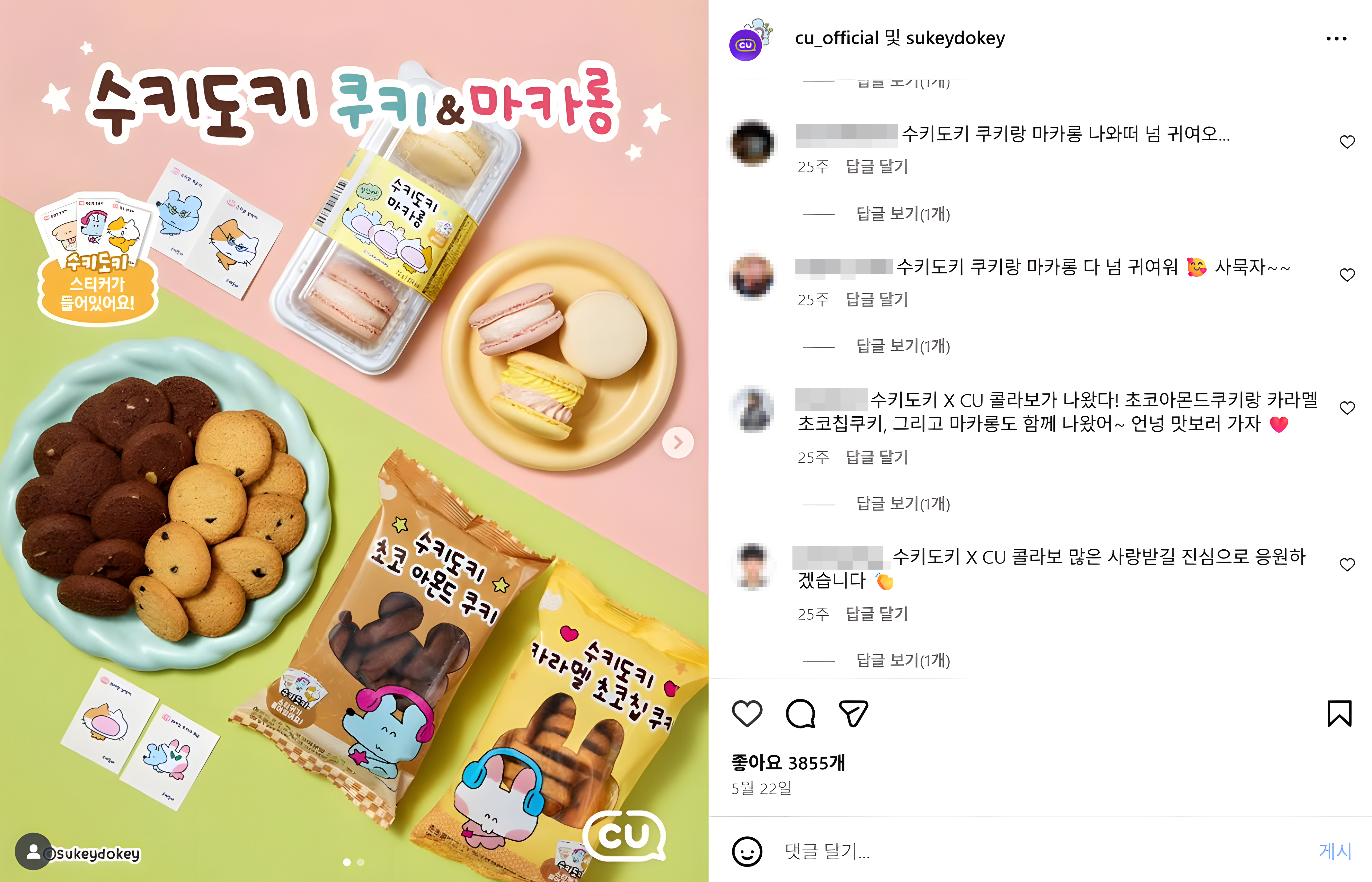
So, they react very sensitively to which brand the character collaborates with and in what way.
If the fandom feels that ‘this collaboration does not suit the character,’ negative opinions can spread quickly.
Conversely, if you accurately understand and reflect the points that the fandom likes, you can expect a positive effect where the brand spreads naturally without the need for separate advertising.
When planning a character collaboration, brand partners must consider, ‘How will this collaboration be perceived by fans, and can it satisfy their needs?’
Please keep in mind that an understanding of the fandom is a great asset in character collaborations, and that character fans can be drawn in as loyal brand customers through these collaborations.
Many brands view IP collaboration as a one-off event, but this is a misconception.
The greatest strength of a character is the ‘emotional experience’ that smoothly connects the customer and the brand.
Customers feel a closer connection to the brand through the character, and as they experience it multiple times, memories and goodwill towards the brand naturally build up.
Therefore, utilizing IP collaboration from a long-term perspective allows characters to act as another identity for the brand, naturally reinforcing the brand image.
Furthermore, fans also tend to view such long-term collaborations more positively.
Character IP collaborations are not simply about using cute illustrations; they can only produce good results when the character's identity, the context of the fandom, and the message the brand wants to convey harmoniously align.
If brand partners approach collaboration with a thorough understanding of the character's scope of use, personality and worldview, fandom, and long-term utilization direction, the collaboration proceeds much more stably and with a higher level of completeness.
Conversely, if you start without knowing this structure, it is easy for the direction to waver or unexpected constraints to arise during collaboration.
Ultimately, in character IP collaboration, ‘how deeply you understand the character and how naturally you connect it with the brand’ is more important than ‘which character you use.’
If you respect the essence of the character while harmoniously capturing the brand's unique message, IP can go beyond a simple marketing element and become a powerful asset that creates new brand experiences and value.
You May Also Like
January 7, 2026
May 28, 2026
July 2, 2026
How about these characters?