

March 4, 2026
In the B2B business field, many people still find the word 'character' unfamiliar.
People usually think that characters are only suitable for cartoons that children like or companies that sell cute merchandise.
However, market trends are already changing.
As a result, it has become difficult to differentiate from other companies based solely on product features or service quality.
Therefore, a 'face of the brand' has become essential to soften the corporate image, which can easily appear cold and rigid, and to help customers feel closer to the company.
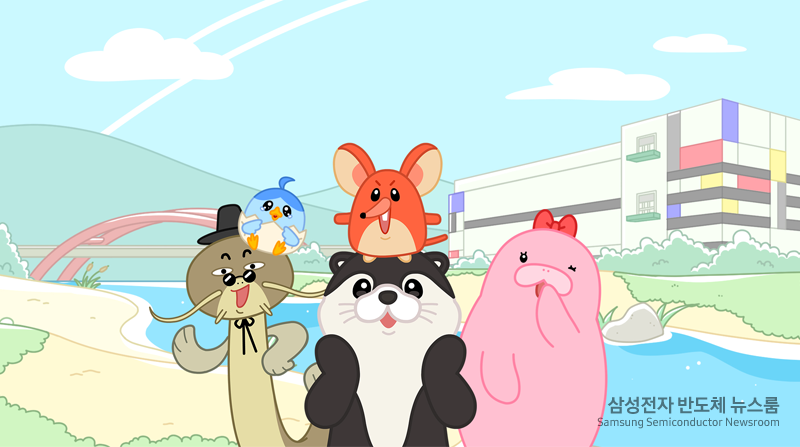 Source: Samsung Electronics Semiconductor Newsroom Official Website
Going beyond simply drawing pretty pictures, the process of showcasing a brand's expertise and sincerity through a single character is a crucial key to building business trust.
Customers are especially likely to feel a vague sense of unease when dealing with companies that provide intangible services.
The character acts as a reliable guide who provides reassurance in the midst of it.
So, exactly what are the benefits of a B2B brand creating a character?
Today, we will explore the reasons why characters have become an essential element in helping companies grow in the B2B market, along with specific examples.
A major characteristic of B2B business is that the services provided by a brand are often not directly visible.
Examples include software, logistics systems, and professional consulting.
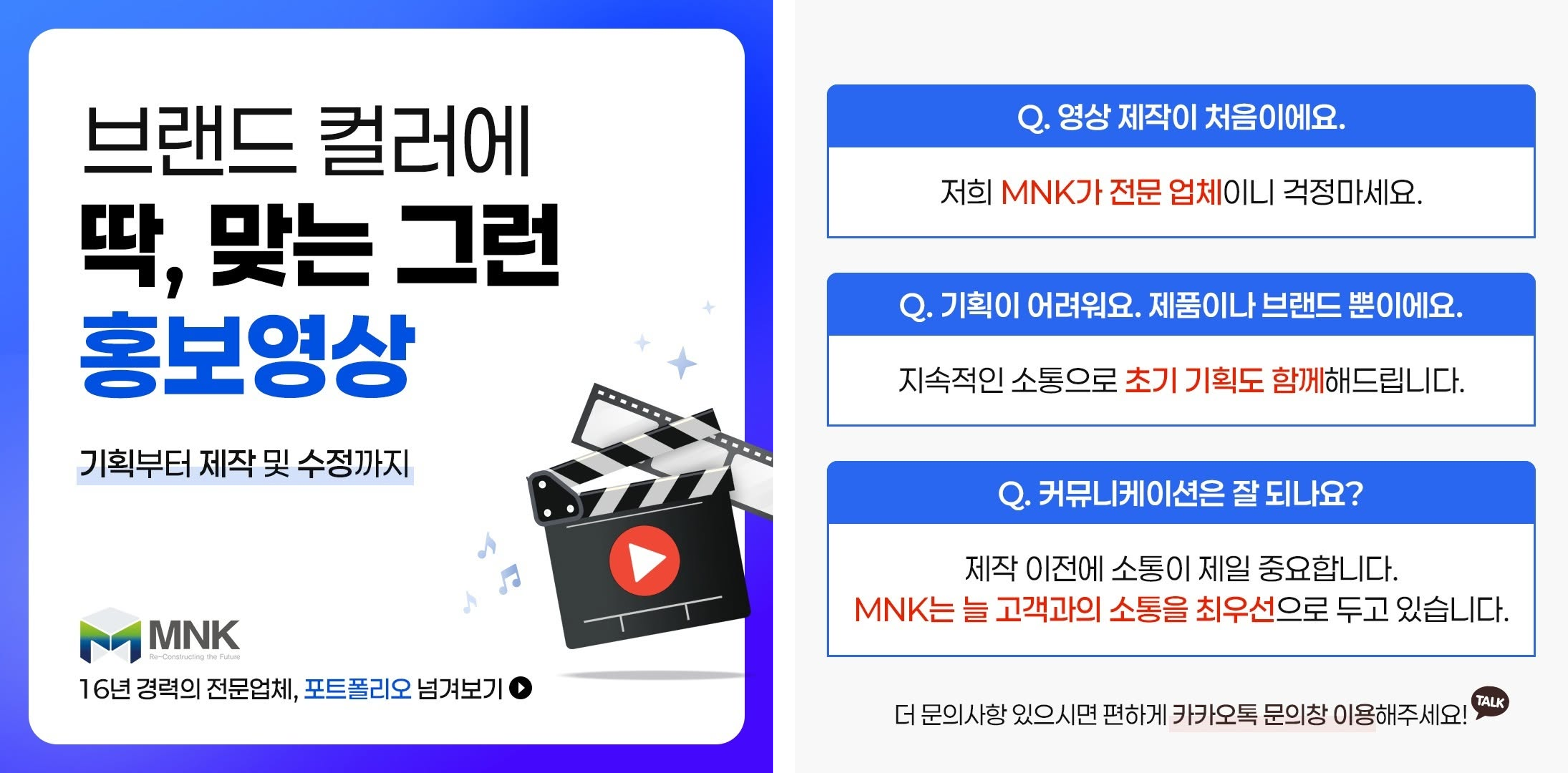
No matter how outstanding the technical capabilities may be, it is difficult for clients to grasp the true nature of it at a glance, and as a result, the brand is likely to feel difficult or distant.
In this case, characters become an excellent tool that visualizes invisible services in a way that is easy for anyone to understand.
This is because a single image of our brand's symbolic character smiling and solving a problem is much more intuitive than a difficult instruction manual spanning dozens of pages.
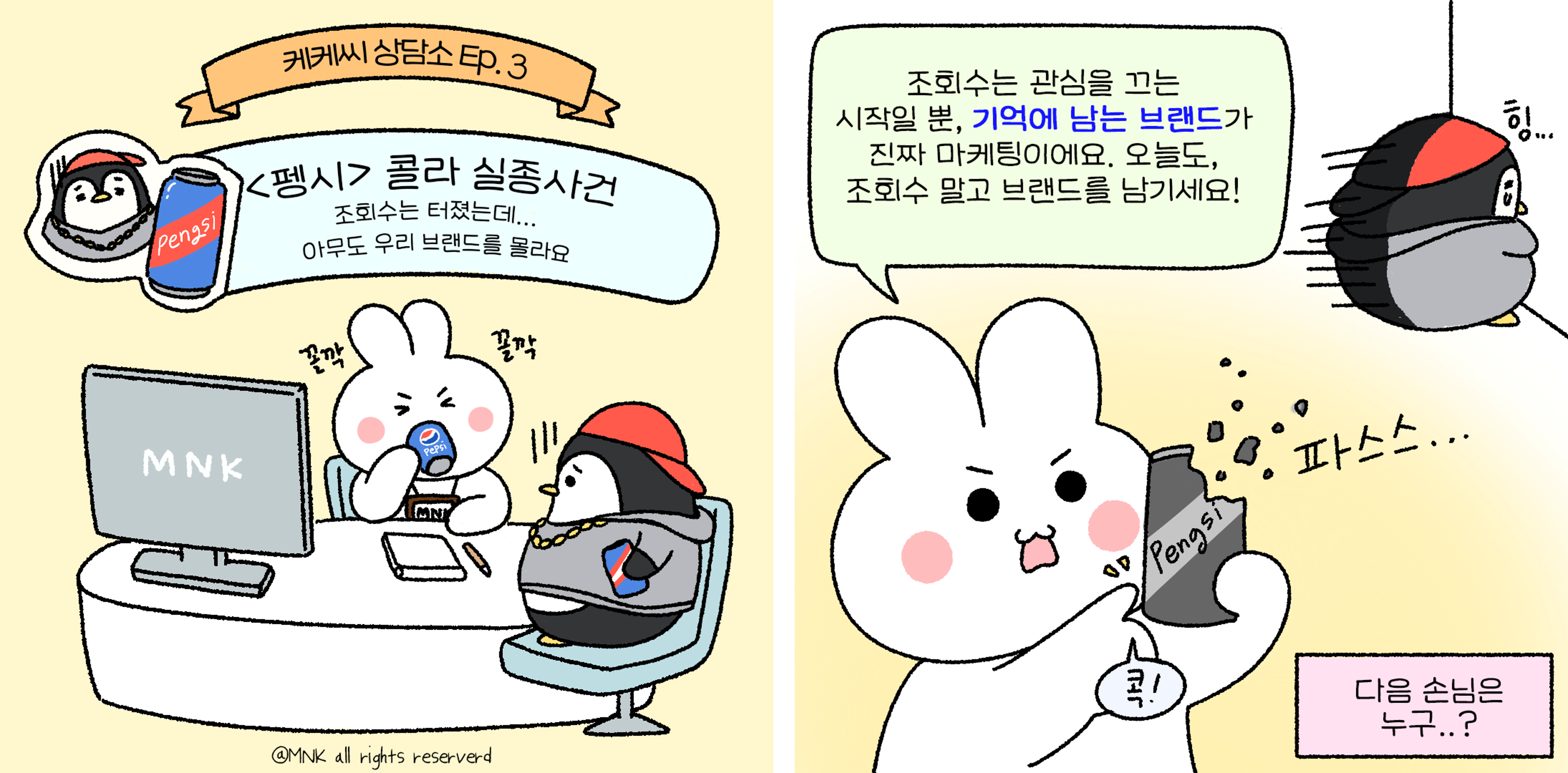
A prime example is the online marketing agency M&K.
M&K showcased the marketing agency's greatest strength, 'trendiness,' through characters.
In addition, by running the ‘Keke’s Counseling Center’ Instatoon, he intuitively explained ‘what benefits you get when you work with M&K.’
Even without hiring expensive models or shooting flashy commercials every time, a well-made character becomes the face of our brand and works non-stop 24 hours a day.
Characters do not merely improve a company's image; they can also serve as a key that opens the door to unexpected new business opportunities.
To put it more simply, it means that the potential for creating synergy through collaboration with other companies using the brand's character becomes limitless.
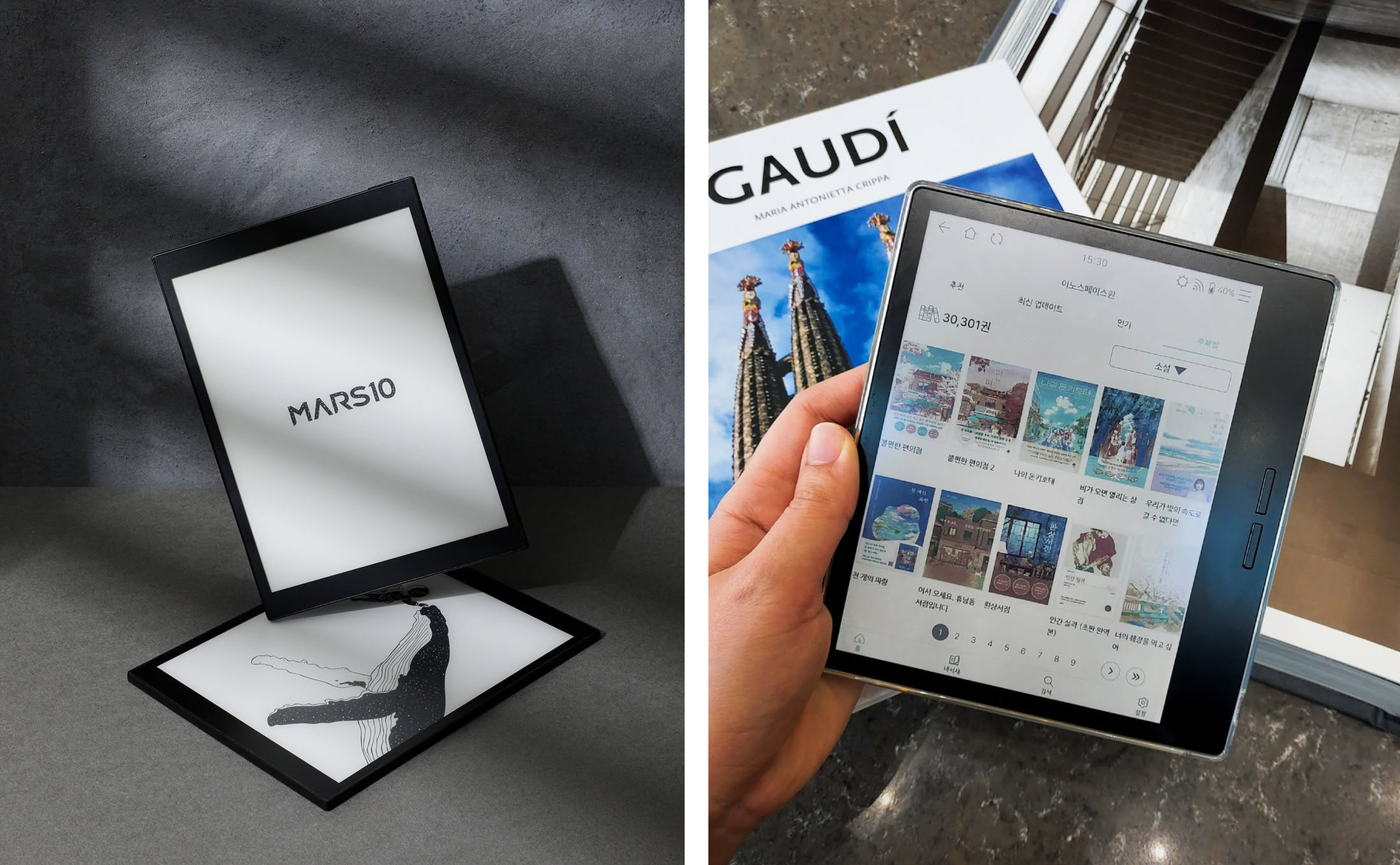
A representative example is the case of 'Innospace One', a specialized e-book reader brand, in 2025.
Innospace One is actively expanding B2B collaborations with publishing, education, and edutech companies by utilizing its own character, 'Munchiz'.
Going beyond simply selling devices, they create packages that combine characters and educational content, or provide exclusive themes that boost learning motivation.
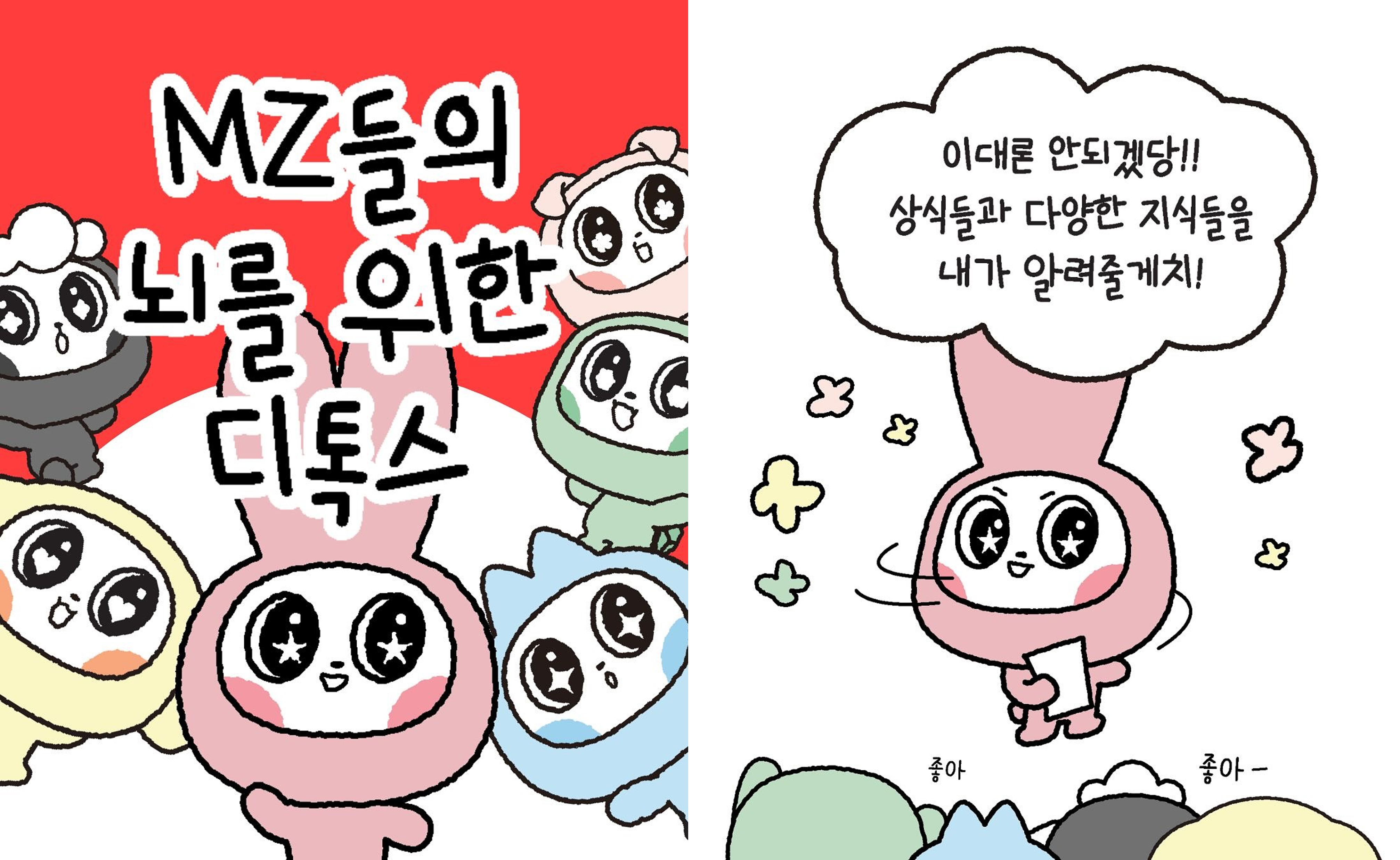
When characters take center stage like this, educational institutions and content companies can propose collaborations much more comfortably, and as a result, we can jointly create a new business model called the 'knowledge-based character market.'
In other words, a well-developed character becomes a powerful link that binds partnerships between companies more tightly.
Even B2B companies are prone to falling behind quickly if they do not keep pace with the changing world.
In particular, communication with the MZ generation, who are potential future customers and the current core of our operations, is essential.
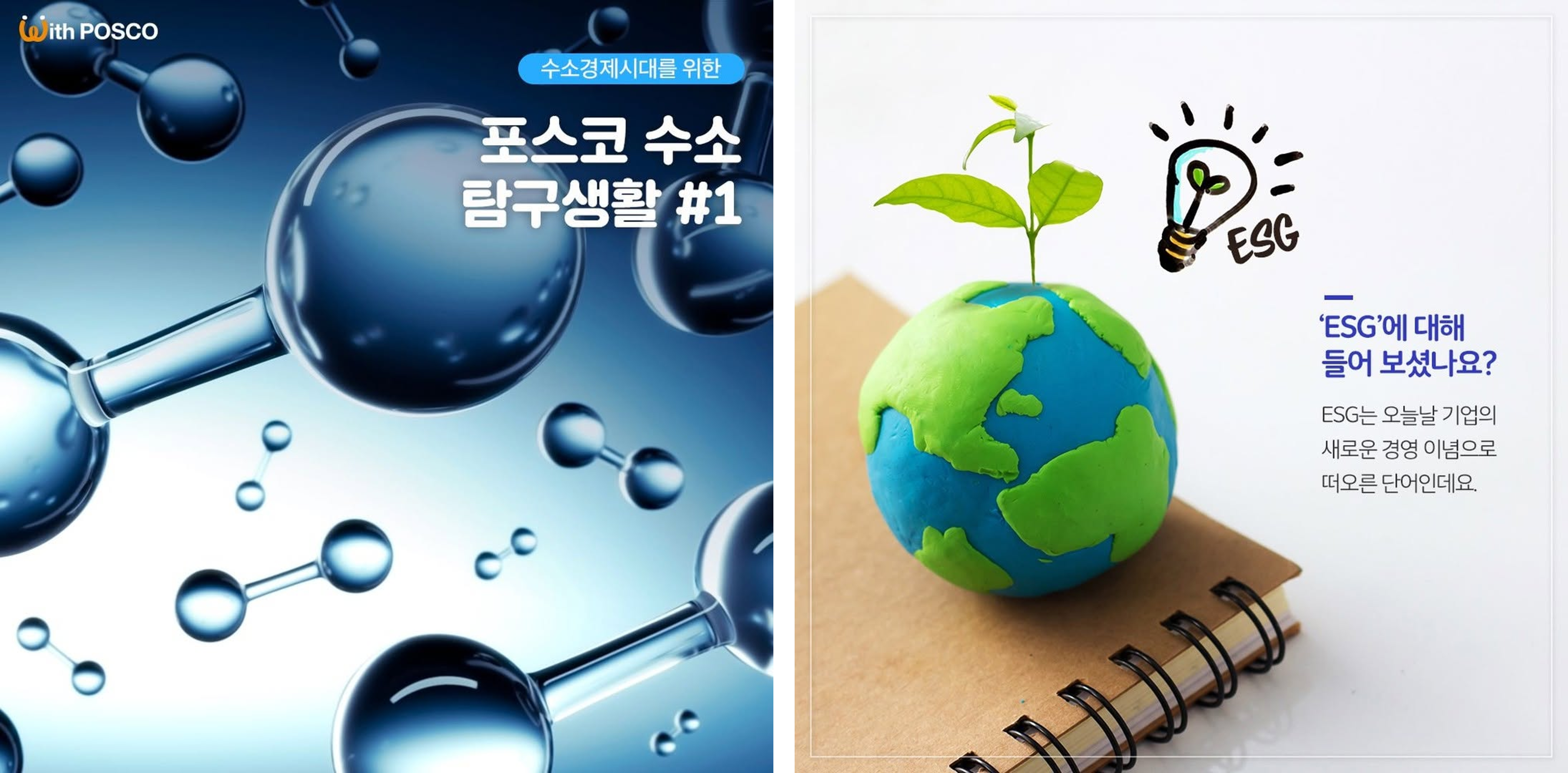
You can realize the power of characters by looking at the example of POSCO, which has a heavy image like the steel industry.
POSCO has made constant efforts to communicate with the younger generation in the past, but in fact, they did not bear much fruit.
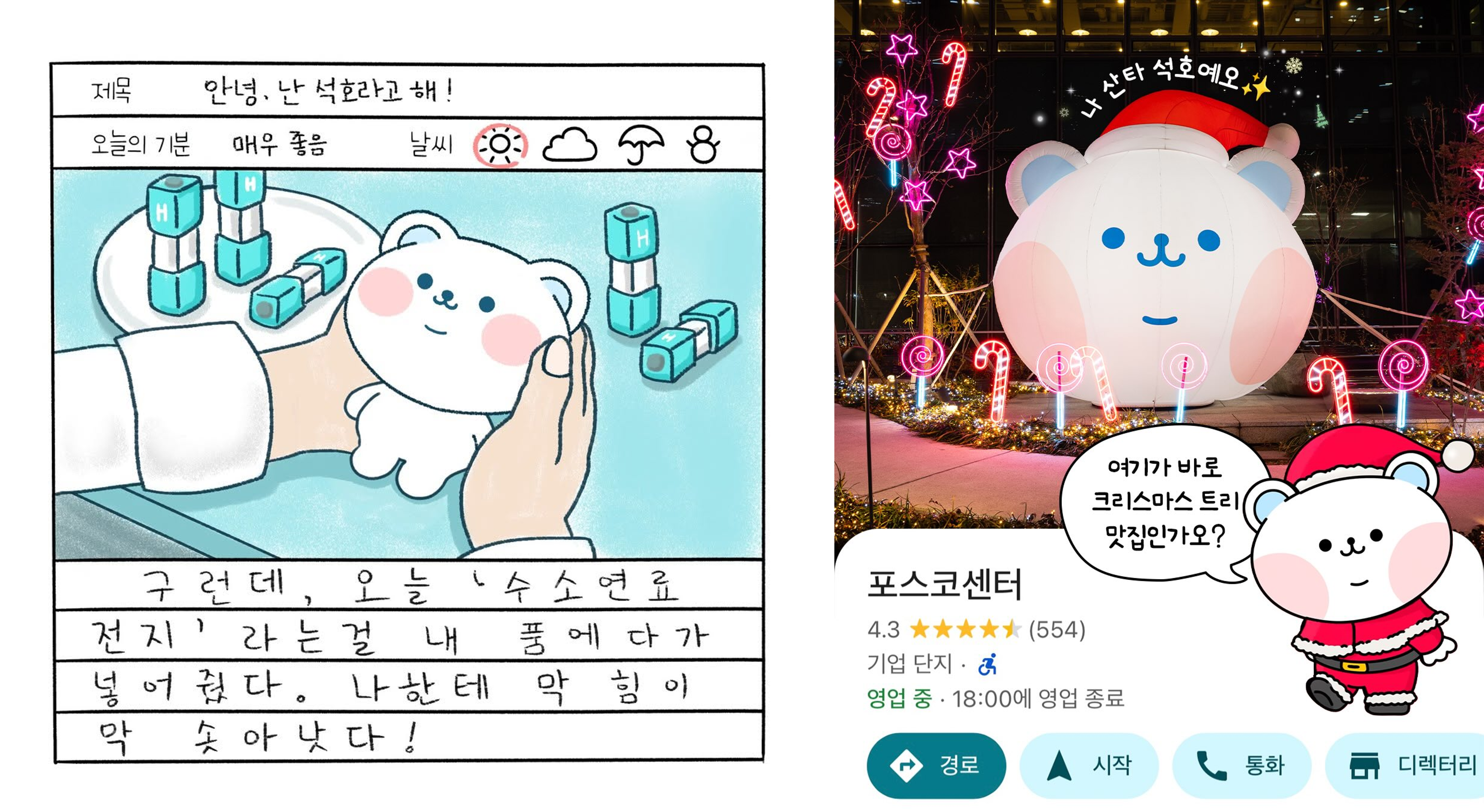
However, the atmosphere completely changed with the appearance of 'Po Seok-ho,' a new employee character in the form of a cute bear.
By communicating through the characters' daily lives instead of rigid corporate promotion, the MZ generation, with whom they previously had no contact, began to respond first.
With the creation of a friendly channel in the form of a character, corporate messages that previously felt difficult to understand could be conveyed naturally.
No matter how serious an industry may be, it is difficult to secure a future if it fails to meet the expectations of the new generation.
Characters serve as the most definitive face that breaks down generational barriers and keeps the brand young.
There are numerous competitors in the market.
The core of branding is creating a compelling reason for customers to specifically choose 'our company' among services with similar performance and price points.
Here, characters are the clearest way to showcase a brand's personality and philosophy.
If our company is very meticulous and perfectionistic, you can create a character that emphasizes those qualities; if it is challenging and full of energy, you can create a character that captures that feeling.
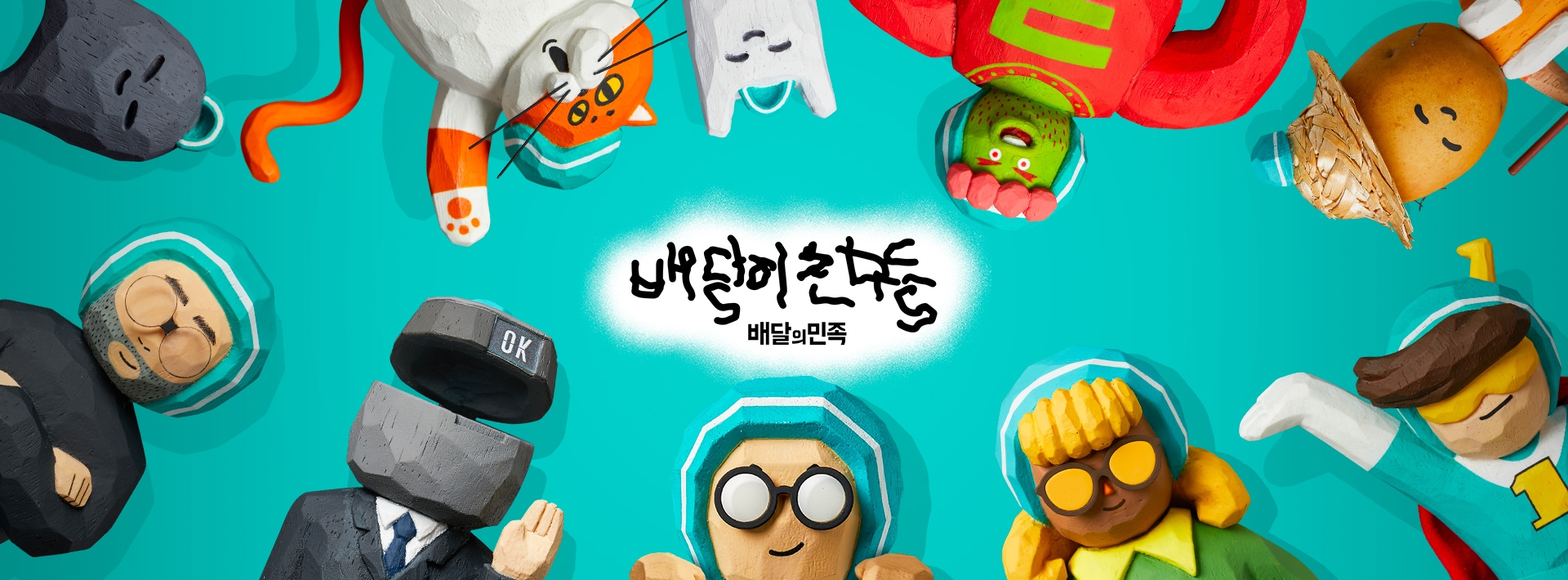
In Korea as well, there is a case where 'Woowa Brothers (Baedal Minjok)' effectively imprinted their unique and cheerful work culture on B2B partners through the 'Baedali' character.
The character created in this way becomes a powerful weapon that makes our brand stand out in the market.
Ultimately, a character is like a period that makes the true image of a brand most easily and strongly memorable.
If you are unsure about current character trends, or if you prefer to leverage existing characters to promote your brand rather than creating your own, we hope you will get started with Innerbooth, where we teach you everything about characters.
Inner Booth will explain everything in detail, from character trends to character marketing and licensing.
You May Also Like

June 1, 2026
August 13, 2026
July 30, 2026
How about these characters?