
July 30, 2026
There is a keyword that has repeatedly appeared in the character goods market this summer.
It is ‘tanning’.

SPAO unveiled Tanning & Mangled Bear collaboration products, and the K League opened a Tanning Sanrio pop-up store.
Olive Young is also attracting consumer attention by running a summer promotion featuring Tanning Miffy.
The interesting thing here is that a new character hasn't appeared.
Even though we only changed the skin tone of the existing characters and added summer-themed props and styles, consumers accepted this as new season merchandise.
This method of expanding into new products by changing only the appearance and concept while maintaining the core image of a character is called ‘reskin.’
Actually, to be precise, the concept of reskinning refers to a method of presenting a new look by changing only the appearance while maintaining the existing character's abilities or functions.
It has a significant advantage in that it allows you to create changes with less cost and time than developing a completely new character.
This applies equally to the character merchandise market.
We create new product experiences by changing elements such as seasons, colors, costumes, and backgrounds while maintaining the core elements of the character.

Examples include the tanning character mentioned earlier and area reskins.
Characters already familiar to consumers, like Hello Kitty and Miffy, are recognized as characters even if they only maintain their basic silhouettes and design elements.
If you add the new concept of tanning to this, fans get to see familiar characters in a new look.
Just because you bring in a trending concept like tanning, Christmas, cherry blossoms, or Seokguram, not all character goods will receive the same reaction.
The important thing is 'which character can naturally accept the reskin change.'
Characters that receive a good response through reskinning have something in common.
The key point is that the core element for recognizing the character is clear.

For example, characters immediately come to mind with just a few representative elements, such as Hello Kitty's ribbon and face shape, or Miffy's simple yet striking face design.
Consumers still perceive such characters as the same character even if their skin tone, clothing, or background changes.
Conversely, if a character's appeal is built upon a specific story, relationship, or worldview, the approach must be different.
If the reason fans like a character is not just their appearance but their narrative and context, a sudden change in the season concept might actually feel awkward.
Ultimately, the key to reskinning is not adding trendy elements.
You must first determine whether the new look can be naturally accepted while maintaining the charm of the existing character.
Just because a character has a strong worldview doesn't mean it's impossible to expand season merchandise.
Rather, if you naturally incorporate new situations into the character's setting, reskinning can become a different kind of content.
For example, if you add a setting where the character goes on a summer vacation or create a story where they experience a specific event, it can be accepted as a new episode rather than just merchandise with changed clothes.
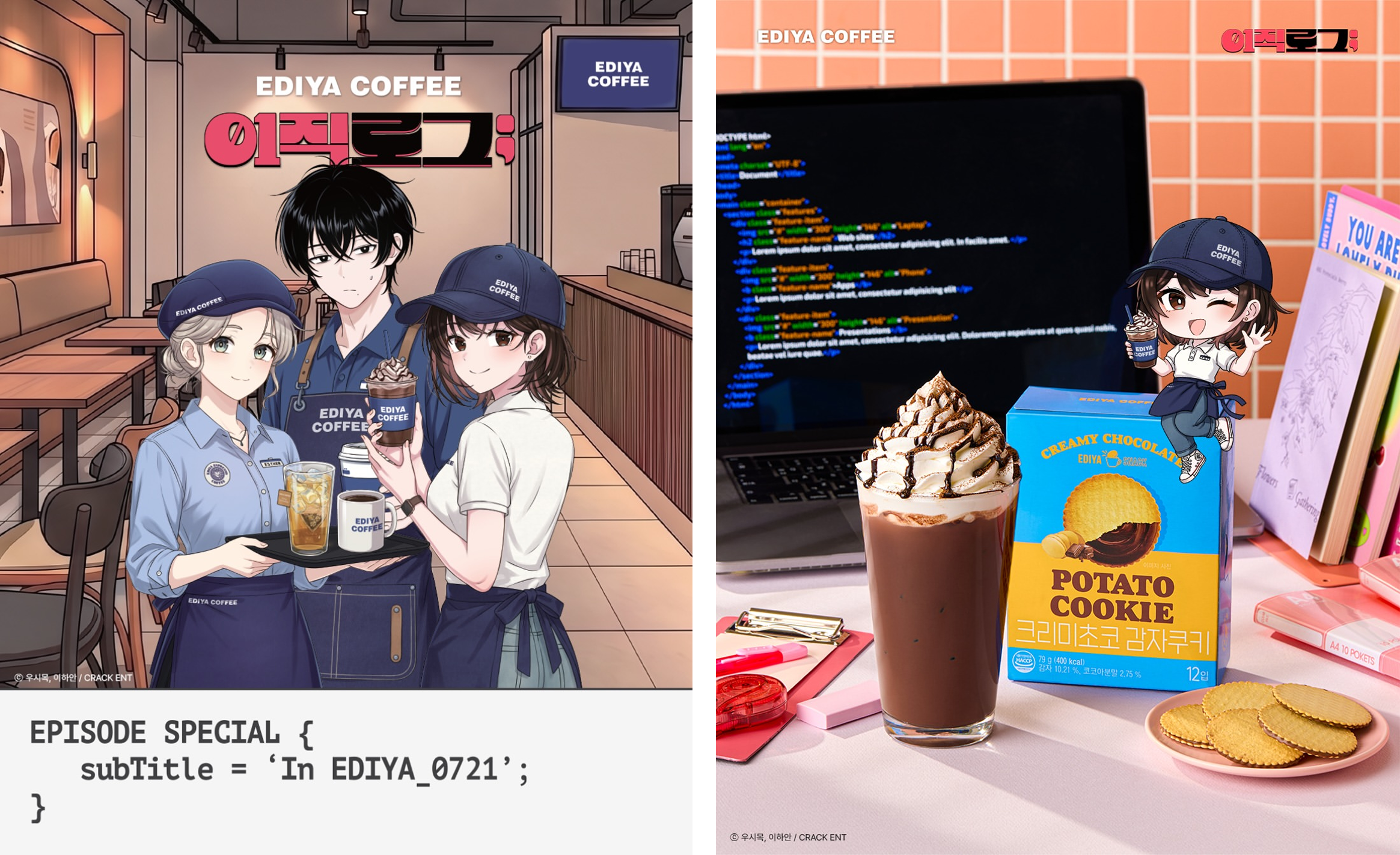
Ultimately, the difference isn't the change in appearance itself.
It is important to know if there is a reason why this character looks this way.
If there is a context that fans can accept, a new concept becomes an opportunity to expand the worldview; otherwise, it may be seen as merely a change in product.
Reskinning is an effective way to make a single character usable for a longer period.
This is because it allows for the addition of new vitality to existing IP in various ways, such as seasonal concepts, brand collaborations, and limited edition merchandise.

The important thing here is not to apply the trendy format exactly as it is.
First, we need to look at how our characters are loved.
If the character has strong imagery and iconic qualities, reskinning using seasons and situations can be a good expansion strategy.
Conversely, for characters where the narrative and worldview are important, an expansion that flows naturally within the story can be more effective than a new appearance.
Ultimately, good IP expansion is not about constantly changing characters, but about creating new experiences while preserving their essence.
If you are wondering which direction to expand your character in, exploring new possibilities that match their strengths at Inner Booth can be a good approach.
You May Also Like

June 1, 2026

June 8, 2026
March 11, 2026
How about these characters?