
July 28, 2026
Just a few years ago, idol characters were regarded as nothing more than 'cute merchandise' for fans.
It was a type of merchandise, like the dolls, keyrings, and stickers sold at concerts.
But now the situation has completely changed.
An increasing number of groups are unveiling official characters simultaneously with their debut, and pop-up stores centered around these characters are opening.
Furthermore, this leads to collaborations with global brands, and limited edition merchandise featuring the characters sells out immediately after release or a resale market forms.

As such, the role of idol characters is rapidly expanding beyond simple merchandise into a business.
In the backgroundThe fact that the entertainment industry is shifting from an 'artist-making industry' to an 'IP-making industry'There is.
Even if an entertainment company has equally popular idols and celebrities, its annual revenue structure looks different depending on whether or not it has a character business.
Groups with characters consistently generate revenue through pop-up stores, brand collaborations, and seasonal merchandise even when it is not the comeback season, whereas groups without characters find it difficult to generate new revenue unless they engage in new activities.
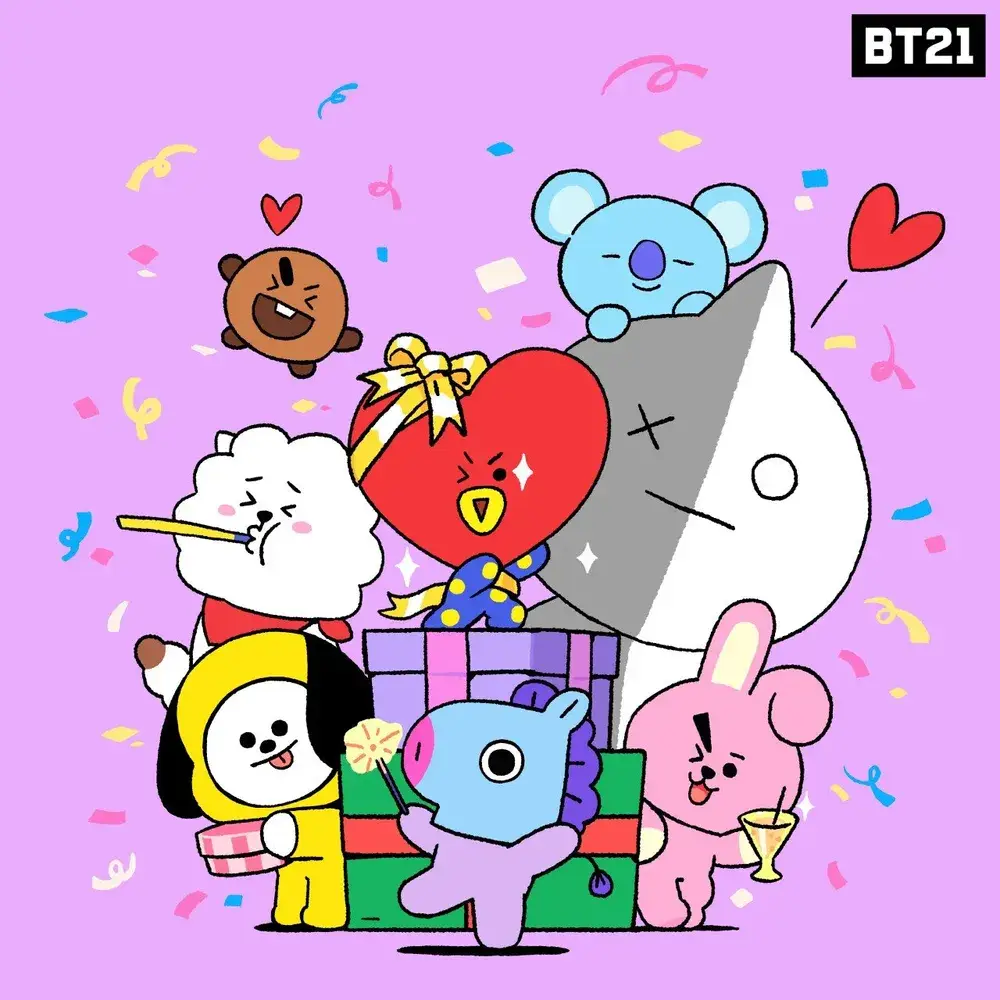
When talking about idol characters, the first example that comes to mind isBT21are you.
While many people remember BT21 as a popular character, what the industry paid more attention to was not the character itself, but...Business methodIt was.
Existing idol characters were closer to merchandise that depicted the artist's appearance in a cute way.
However, BT21 had a different approach from the beginning.
The BTS members personally drew the characters and created their personalities and worldviews together, completing a single independent piece of content.
Thanks to this, fans didn't just consume the characters as simple merchandise.
We built affection by accepting each character as another side of the members, and the characters also began to grow into a brand of their own.

actually BT21 is expanding beyond merchandise into global pop-up stores, licensing, and various brand collaborations.That's enough.
The McDonald's BT21 Happy Meal promotion recently held in the U.S. also garnered significant attention immediately after its launch, once again demonstrating the influence of character IP.
Through this case, the entertainment industry realized one thing.
❝ If you connect the popularity of idols to an IP called a character
I realized I could continue to grow even after my music activities end!❞
Since then, characters began to shift from being merchandise to a business strategy.
The idol industry is more affected by activity cycles than you might think.
Album sales increase only when there is a comeback, and ticket and merchandise sales are generated only when there are concerts.
And during this period, opportunities to meet fans naturally increase, so entertainers have no choice but to focus on their activities.
However, fans want to continue experiencing their favorite artists in their daily lives and want to maintain the relationship while waiting for new content.
Right at this pointIdol characterIt plays an important role.

Even without a comeback, characters can create new merchandise, open pop-up stores, and carry out seasonal projects.
In this process, fans recall the artist through the character, and the brand can continue to create new experiences based on that point of contact.
So, idols debuting recently often showcase their character right from the moment of their debut.
In the past, characters were created after a fandom was formed, but now, characters are planned together starting from the stage of preparing for debut.
Characters are an attractive IP not only to fans but also to brands.
Another reason for the growth of idol characters is their high brand utilization.
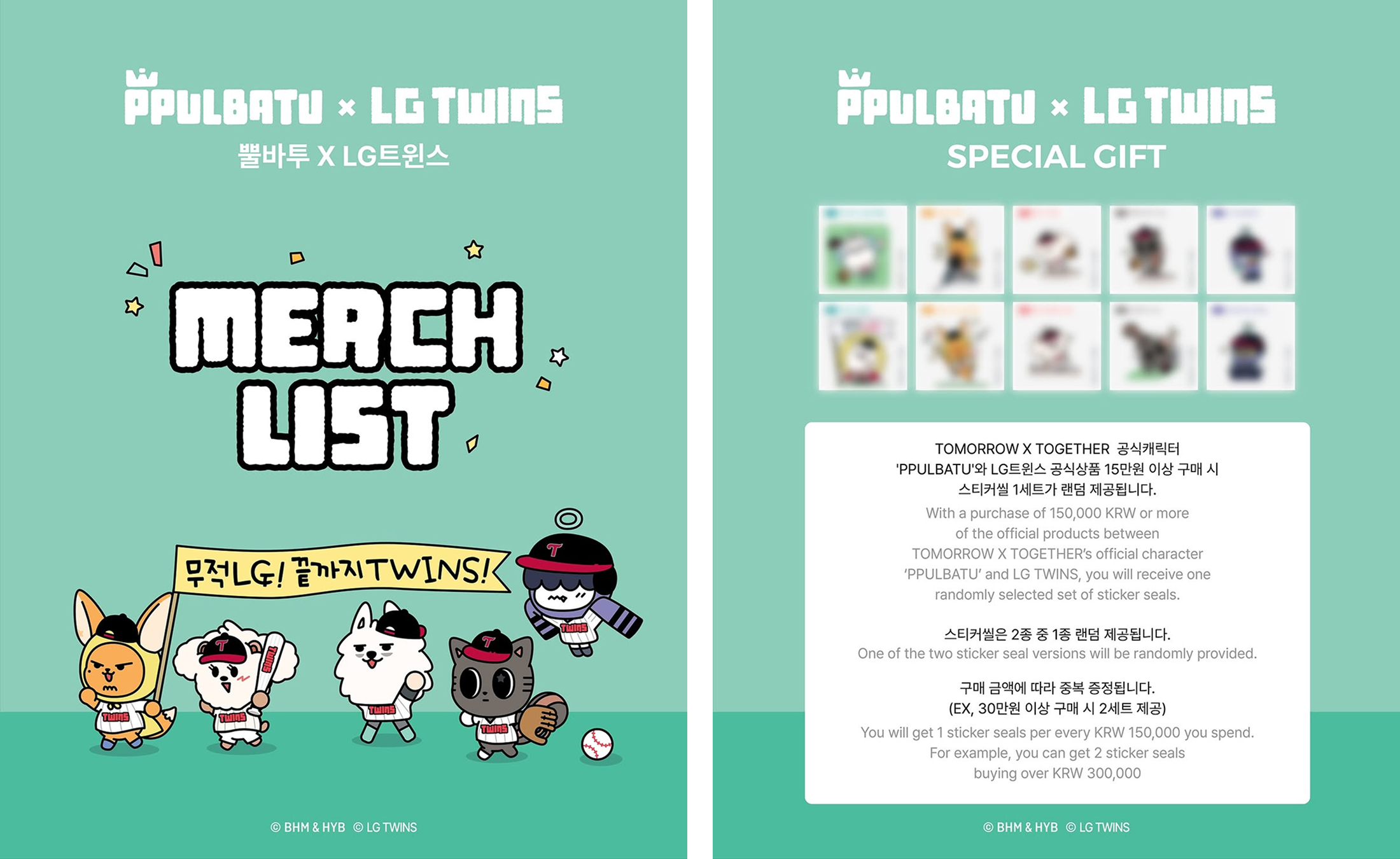
When using people as models, there are many factors to consider, such as shooting schedules, portrait rights, and marketing strategies for each country.
On the other handCharacters are easy to utilize in various ways, ranging from product packaging to pop-up stores, promotional merchandise, and digital content.
In addition, language and cultural barriers are also relatively low.
Even consumers who are not familiar with music can easily feel a fondness for characters, and brand partners can also utilize characters to reach a wider range of consumers.
This is also the reason why global brands have recently been actively utilizing character IP in K-POP collaborations.
Characters are not content consumed only within the fandom.Brand assets that connect to general consumersIt is because it is growing.
In the past, good music and outstanding performance were the most important competitive advantages.
But that alone isn't enough right now.
If you have gathered fans through music, it has become important to create a structure that allows those fans to continue experiencing the brand in their daily lives.

So recently, entertainment companies do not view music and characters as separate content.
Music is seen as playing the role of building a fandom, while characters are viewed as playing the role of maintaining that fandom for a long time and connecting it to new businesses.
A single character can go beyond merchandise to create pop-up stores, lead brand collaborations, and even expand into licensing businesses.

At Inner Booth, brands looking to collaborate with characters are constantly searching for new IPs.
Brands in various fields such as food, beauty, fashion, living, and public institutions can register collaboration projects, and character IPs can receive collaboration opportunities tailored to their strengths.
A good character doesn't just end up being loved by fans.
The value of IP truly grows when it meets the right brand, becomes a new product or campaign, and is made known to more people.
If you want to expand your idol character into a new business, register your character on Innerbooth now and discover collaboration opportunities with various brands.
You May Also Like

June 1, 2026
June 8, 2026
April 28, 2025
How about these characters?
July 28, 2026
Just a few years ago, idol characters were regarded as nothing more than 'cute merchandise' for fans.
It was a type of merchandise, like the dolls, keyrings, and stickers sold at concerts.
But now the situation has completely changed.
An increasing number of groups are unveiling official characters simultaneously with their debut, and pop-up stores centered around these characters are opening.
Furthermore, this leads to collaborations with global brands, and limited edition merchandise featuring the characters sells out immediately after release or a resale market forms.
As such, the role of idol characters is rapidly expanding beyond simple merchandise into a business.
In the backgroundThe fact that the entertainment industry is shifting from an 'artist-making industry' to an 'IP-making industry'There is.
Even if an entertainment company has equally popular idols and celebrities, its annual revenue structure looks different depending on whether or not it has a character business.
Groups with characters consistently generate revenue through pop-up stores, brand collaborations, and seasonal merchandise even when it is not the comeback season, whereas groups without characters find it difficult to generate new revenue unless they engage in new activities.
When talking about idol characters, the first example that comes to mind isBT21are you.
While many people remember BT21 as a popular character, what the industry paid more attention to was not the character itself, but...Business methodIt was.
Existing idol characters were closer to merchandise that depicted the artist's appearance in a cute way.
However, BT21 had a different approach from the beginning.
The BTS members personally drew the characters and created their personalities and worldviews together, completing a single independent piece of content.
Thanks to this, fans didn't just consume the characters as simple merchandise.
We built affection by accepting each character as another side of the members, and the characters also began to grow into a brand of their own.
actually BT21 is expanding beyond merchandise into global pop-up stores, licensing, and various brand collaborations.That's enough.
The McDonald's BT21 Happy Meal promotion recently held in the U.S. also garnered significant attention immediately after its launch, once again demonstrating the influence of character IP.
Through this case, the entertainment industry realized one thing.
❝ If you connect the popularity of idols to an IP called a character
I realized I could continue to grow even after my music activities end!❞
Since then, characters began to shift from being merchandise to a business strategy.
The idol industry is more affected by activity cycles than you might think.
Album sales increase only when there is a comeback, and ticket and merchandise sales are generated only when there are concerts.
And during this period, opportunities to meet fans naturally increase, so entertainers have no choice but to focus on their activities.
However, fans want to continue experiencing their favorite artists in their daily lives and want to maintain the relationship while waiting for new content.
Right at this pointIdol characterIt plays an important role.
Even without a comeback, characters can create new merchandise, open pop-up stores, and carry out seasonal projects.
In this process, fans recall the artist through the character, and the brand can continue to create new experiences based on that point of contact.
So, idols debuting recently often showcase their character right from the moment of their debut.
In the past, characters were created after a fandom was formed, but now, characters are planned together starting from the stage of preparing for debut.
Characters are an attractive IP not only to fans but also to brands.
Another reason for the growth of idol characters is their high brand utilization.
When using people as models, there are many factors to consider, such as shooting schedules, portrait rights, and marketing strategies for each country.
On the other handCharacters are easy to utilize in various ways, ranging from product packaging to pop-up stores, promotional merchandise, and digital content.
In addition, language and cultural barriers are also relatively low.
Even consumers who are not familiar with music can easily feel a fondness for characters, and brand partners can also utilize characters to reach a wider range of consumers.
This is also the reason why global brands have recently been actively utilizing character IP in K-POP collaborations.
Characters are not content consumed only within the fandom.Brand assets that connect to general consumersIt is because it is growing.
In the past, good music and outstanding performance were the most important competitive advantages.
But that alone isn't enough right now.
If you have gathered fans through music, it has become important to create a structure that allows those fans to continue experiencing the brand in their daily lives.
So recently, entertainment companies do not view music and characters as separate content.
Music is seen as playing the role of building a fandom, while characters are viewed as playing the role of maintaining that fandom for a long time and connecting it to new businesses.
A single character can go beyond merchandise to create pop-up stores, lead brand collaborations, and even expand into licensing businesses.
At Inner Booth, brands looking to collaborate with characters are constantly searching for new IPs.
Brands in various fields such as food, beauty, fashion, living, and public institutions can register collaboration projects, and character IPs can receive collaboration opportunities tailored to their strengths.
A good character doesn't just end up being loved by fans.
The value of IP truly grows when it meets the right brand, becomes a new product or campaign, and is made known to more people.
If you want to expand your idol character into a new business, register your character on Innerbooth now and discover collaboration opportunities with various brands.
You May Also Like
June 1, 2026
June 8, 2026
April 28, 2025
How about these characters?