
January 14, 2026
The character market is an area where the pace of change is faster than any other industry.
The cycle of trends being created and consumed is short, and a single trend can change the atmosphere of the entire market in an instant.
In this environment, accurately reading the trends and consumption patterns preferred by the public is essential for character IP to generate sustainable revenue.
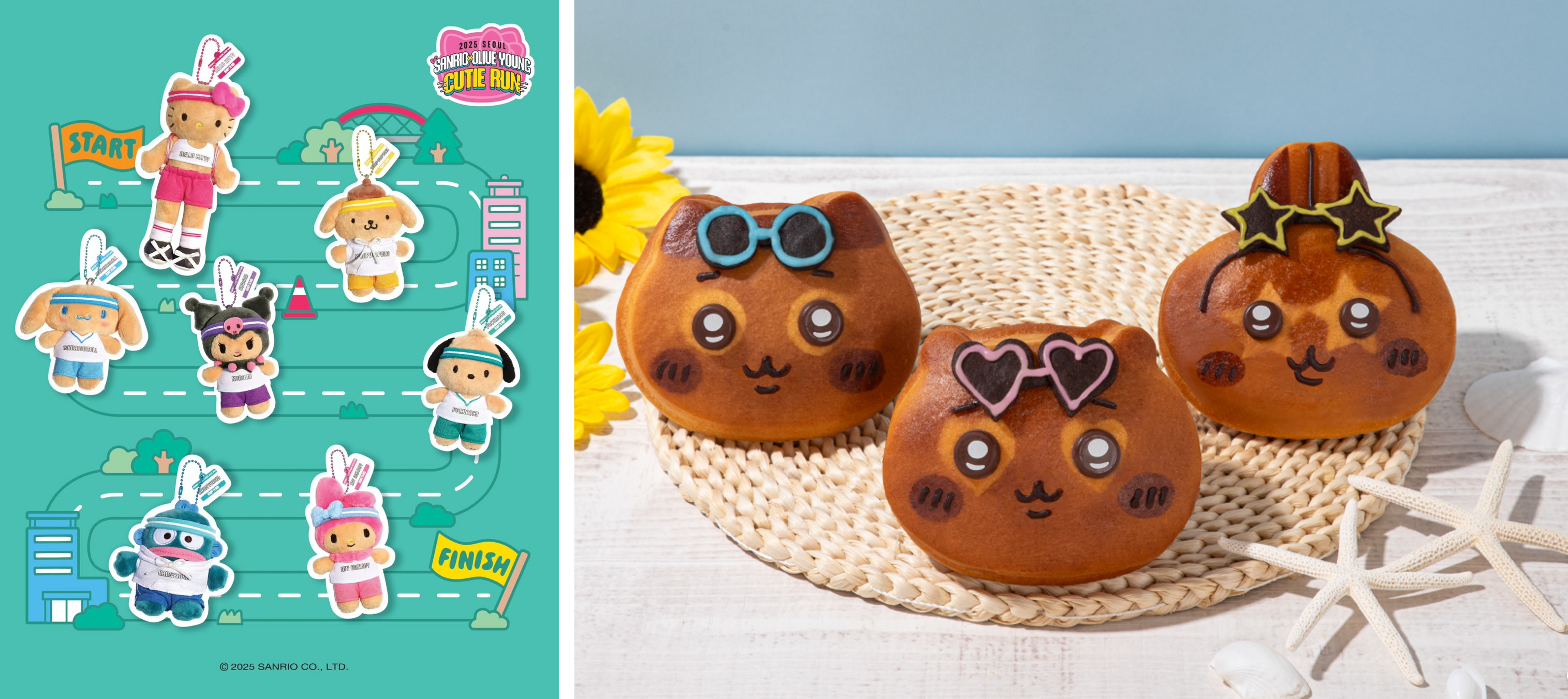
The key factor determining actual sales is not simply whether the character is pretty or has high recognition.
Success or failure depends on how consumers are reacting to current market trends and how quickly those trends can be incorporated into the business structure.
Therefore, if you are an IP holder managing characters, you must understand trends and be able to react sensitively to those changes.
Looking back at the past character market, whenever a specific trend emerged, consumers reacted more quickly to new themes or atmospheres, and character IPs that rode that wave secured both high interest and sales in a short period of time.
A prime example of this is the monkey character.
Originally, monkey characters were considered non-mainstream compared to dogs, cats, rabbits, and foxes.
In a market dominated by cute and familiar animal characters, monkeys were a relatively difficult subject to be chosen.
However, these non-mainstream characters actually stimulated the consumption patterns of Generation Z.
🐒 A cute monkey character, Kusungi
Kusung is a monkey character created by the domestic character stationery brand 'Hinakuu'.
With her quirky charm, she is receiving a lot of attention from Gen Z and has 51,000 followers on Instagram and 37,000 followers on X (formerly Twitter).
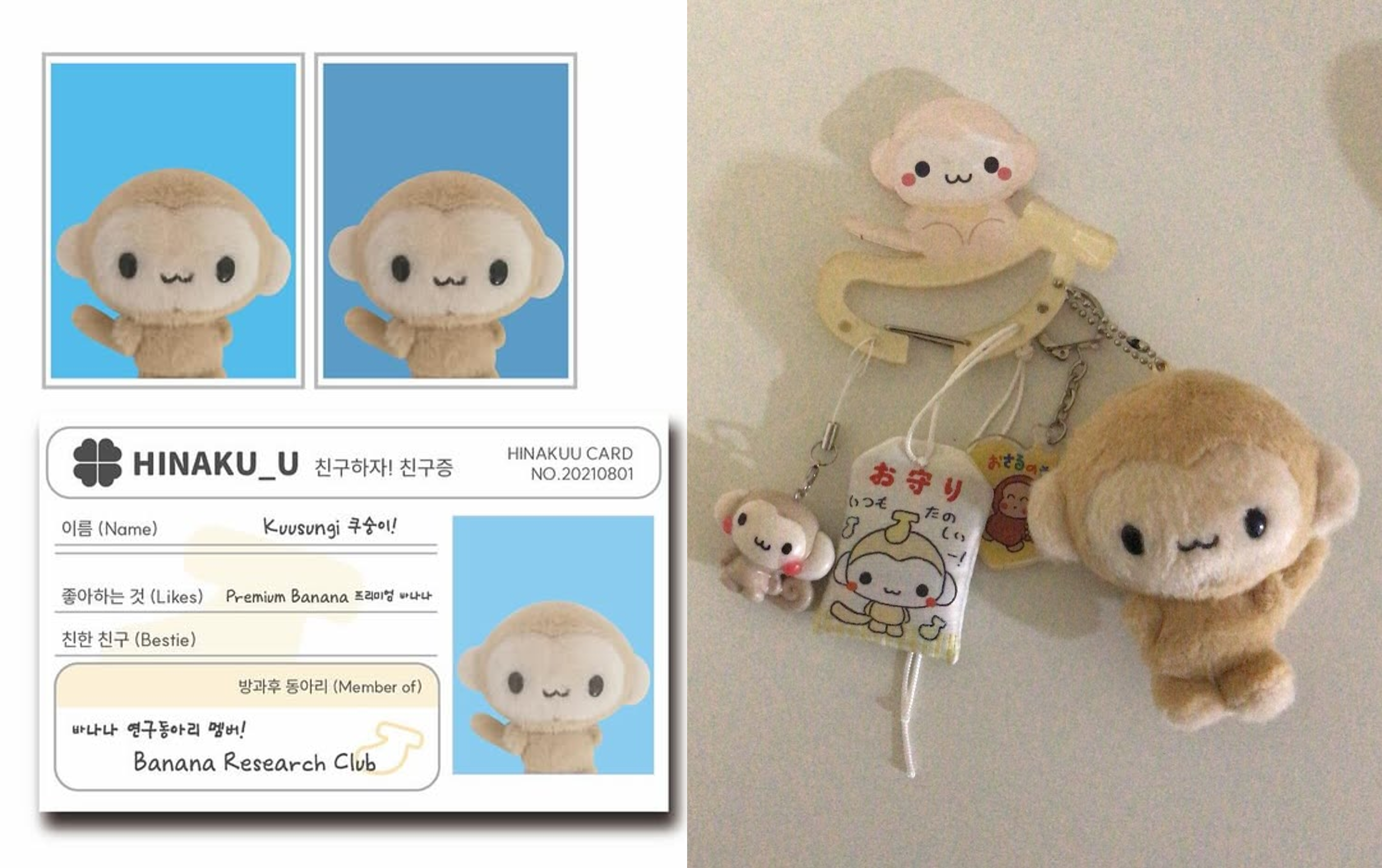
The secret to Kusung's rise to fame
Kusung was a character that fit very well with the consumption patterns of Generation Z.
Generation Z is a generation that finds pleasure in consuming things different from others and actively expresses those differences through social media.
By infusing the unique humor and sensibility of Generation Z into a monkey character previously perceived as a niche one, Kusung has established itself as a "desirable character."
This trend was clearly evident offline as well.
Last year at the Seoul Illustration Fair, it became a hot topic as waiting numbers reached up to about 300 teams.
This scene shows not only the recognition of the character itself but also how strong the consumer desire was to own the merchandise.
One example that cannot be left out of the monkey character trend is 'Monchichi'.
Monchichi is a character created by a Japanese toy company in 1974, and it gained popularity twice, in the 1970s and the late 2000s.
Its distinguishing feature is that while its appearance resembles a monkey, it is not a monkey according to its backstory.
Even though Monchichi is not a monkey, he was able to naturally join the 'Kiki Boom' thanks to his monkey-like appearance.
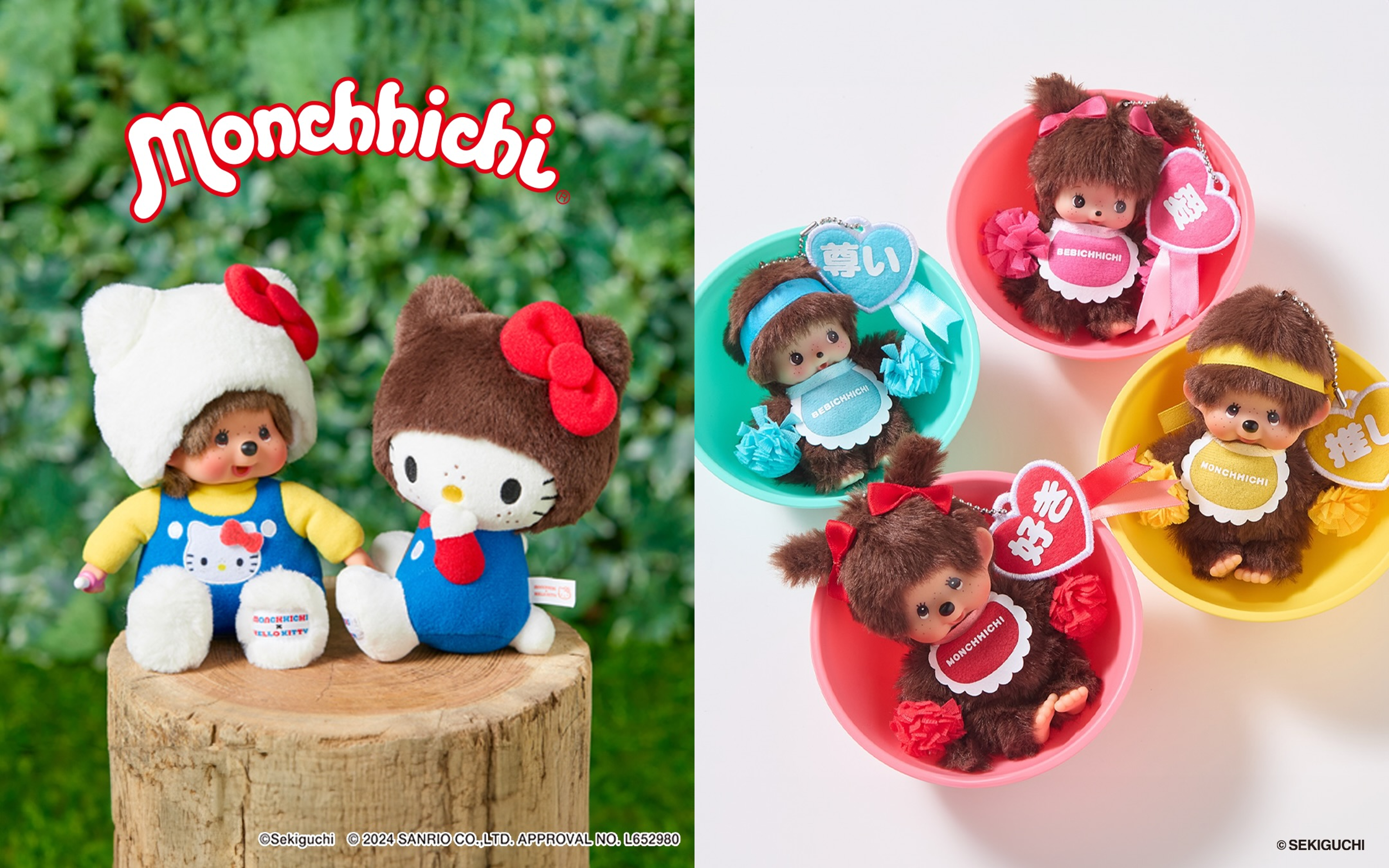
The secret to Monchichi's resurgence
Monchichi has established itself as a character that evokes memories across generations, going beyond being just a simple plush toy.
As the classic mood and retro sensibility unique to Japanese characters are gaining attention again, Monchichi It started to be consumed as a 'character you come back to'.
Initially, exposure was centered on collaborations with Japanese influencers and brands, but later, awareness gradually expanded in the Korean market through collaborations with IPs of major corporations.
In particular, it is widely used as a fashion item, and Monchichi has been able to join the trend while maintaining its classic monkey character.
Contrary to the examples above, there are definitely times when trends and my character do not match.
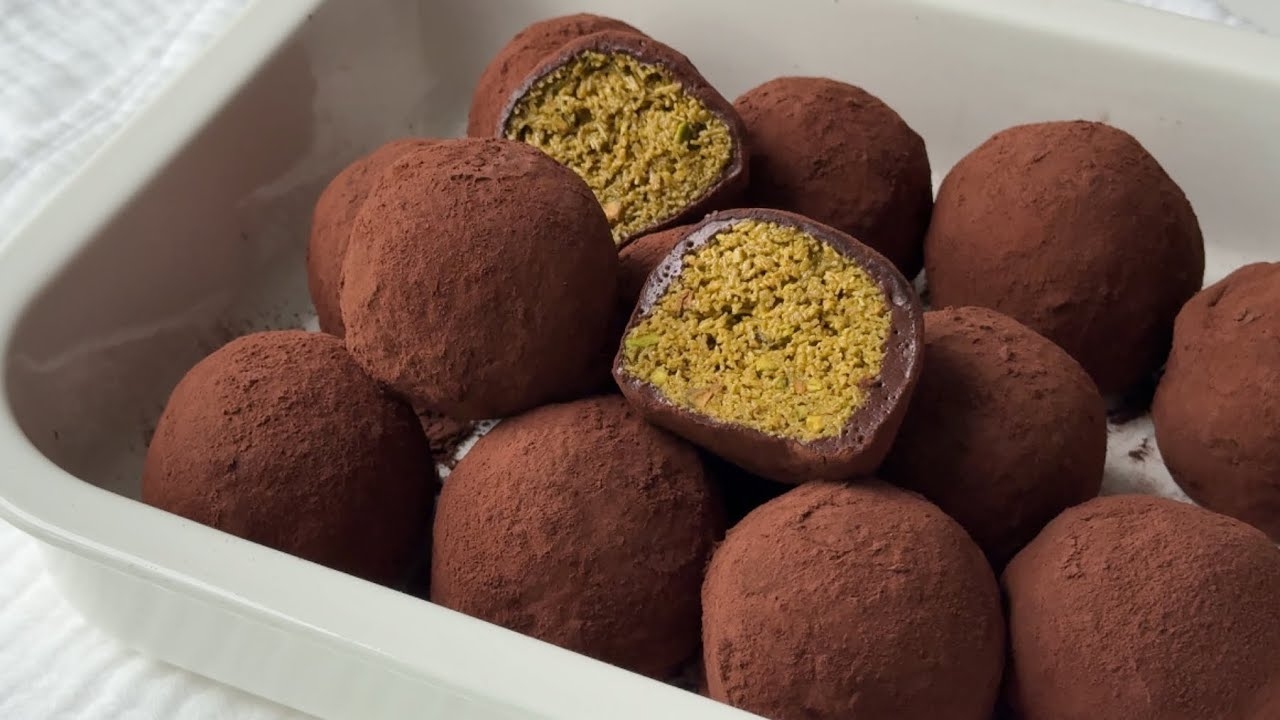
The Dubai chewy cookie craze, which has recently been gaining a huge response from the public, is a representative trend in F&B.
This trend is attracting consumer attention with the chewy texture of marshmallows and the crunchy kataifi.
Even if a trend doesn't seem directly related to your character, you can fully ride the wave depending on how you utilize it.
A prime example is Cherov Montmo's 'Dubai Chewy Montmo'.
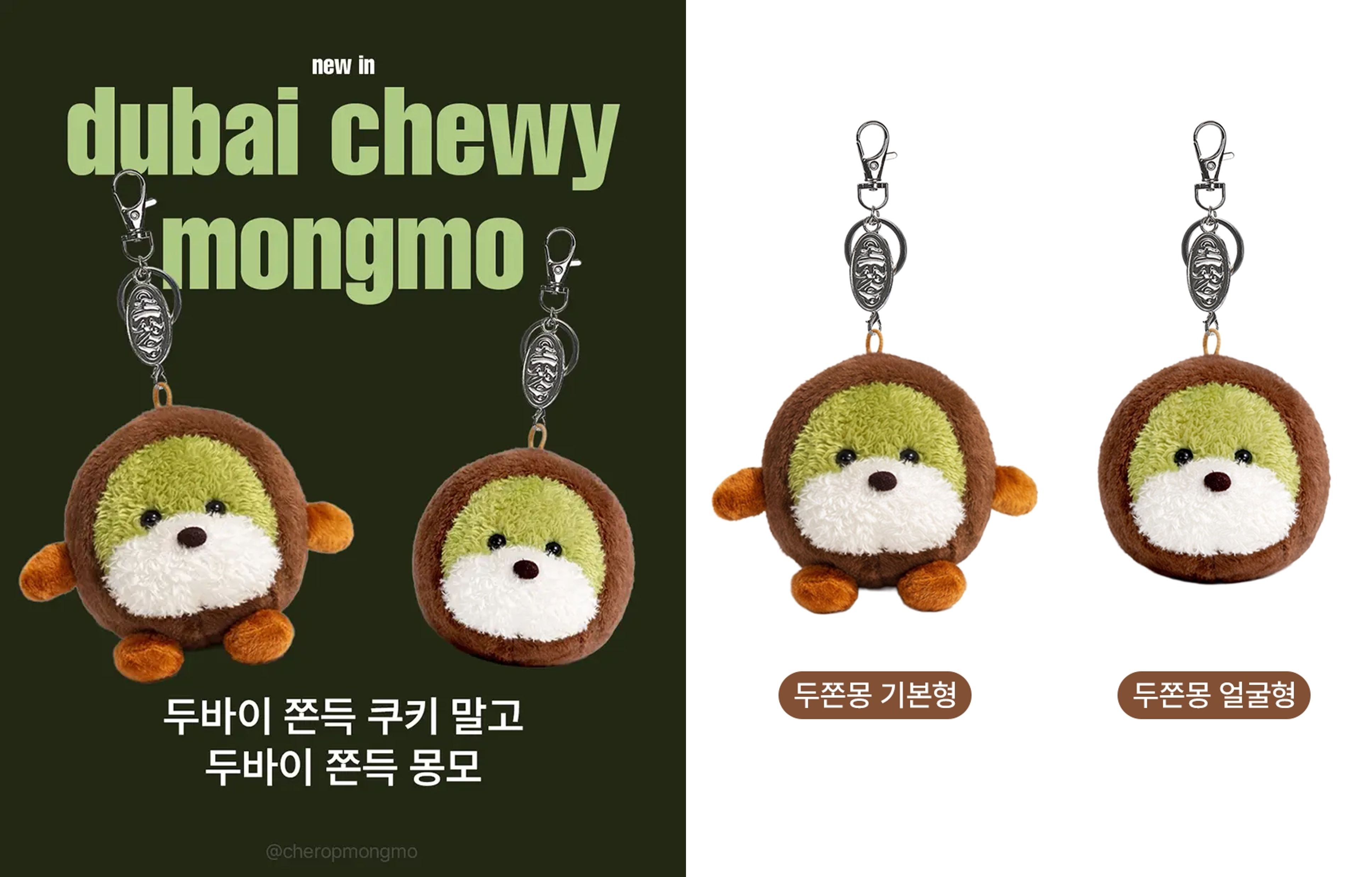
Cherov Montmo did not simply consume the F&B trend of Dubai chewy cookies as content or a one-time post.
Instead, we planned to create actual merchandise by connecting the keyword "chewiness" with Mongmo's diverse character worldviews.
Montmo is a character who naturally creates various beings such as puppies, rabbits, penguins, seals, snowmen, and trees within the world of ‘Cherop Village’.
It has a structure where the worldview expands flexibly according to the situation and concept, rather than being confined to a specific animal or a single setting.
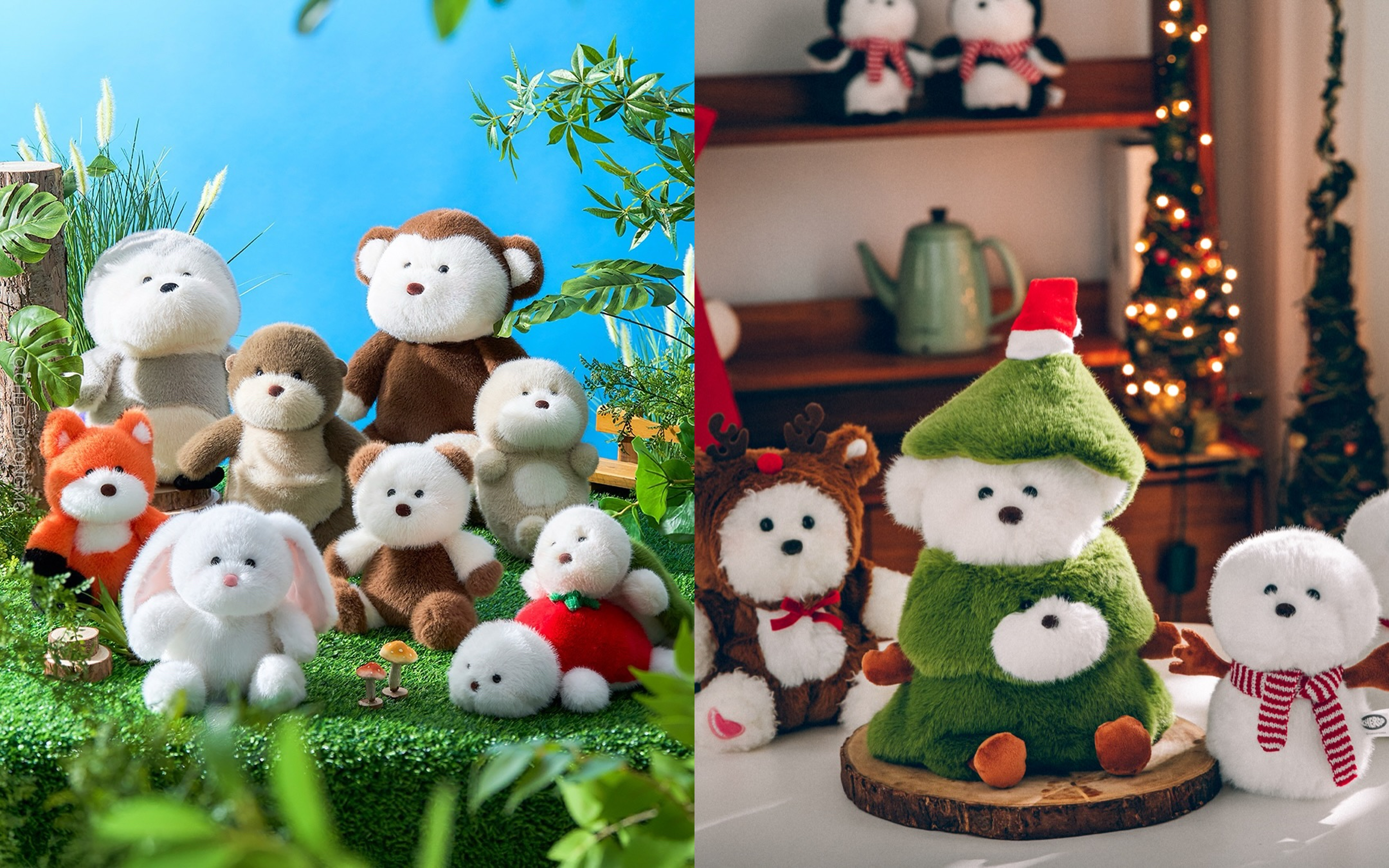 Source: Cherop Montmou Official Instagram (@cheropstore)
Thanks to these characteristics, the concept of 'Dubai Chewy Montmorency' did not feel forced; rather, it was accepted as an event that expanded the worldview.
Consumers were also interested in Montmo's new look, and it achieved a sell-out during the first pre-order.

You don't need to give up on opportunities just because the trend doesn't seem to fit your character, like Cherov Montmo.
What matters is not the superficial image of the trend, but 'how you interpret the consumption points contained within and how you connect them to the character.'
Whether it is an F&B trend or a fashion trend, if you can develop it into a business structure such as limited edition goods or new characters without compromising the essence of the character, the trend can definitely work in your favor.
Just as tomato and monkey characters were in the past, current F&B trends will eventually be replaced by another fad.
The criterion that determines the success or failure of a trend is not the content of the trend, but 'how quickly IP holders convert it into a business when the trend emerges.'
Rather than turning away from trends that do not align with my character, establishing a structure that finds points of contact with consumers and puts them into action becomes a competitive edge in the IP business.
In this process, rather than trying to make all the decisions on your own, it is helpful to have a reference point that allows you to quickly consult market trends and actual cases.
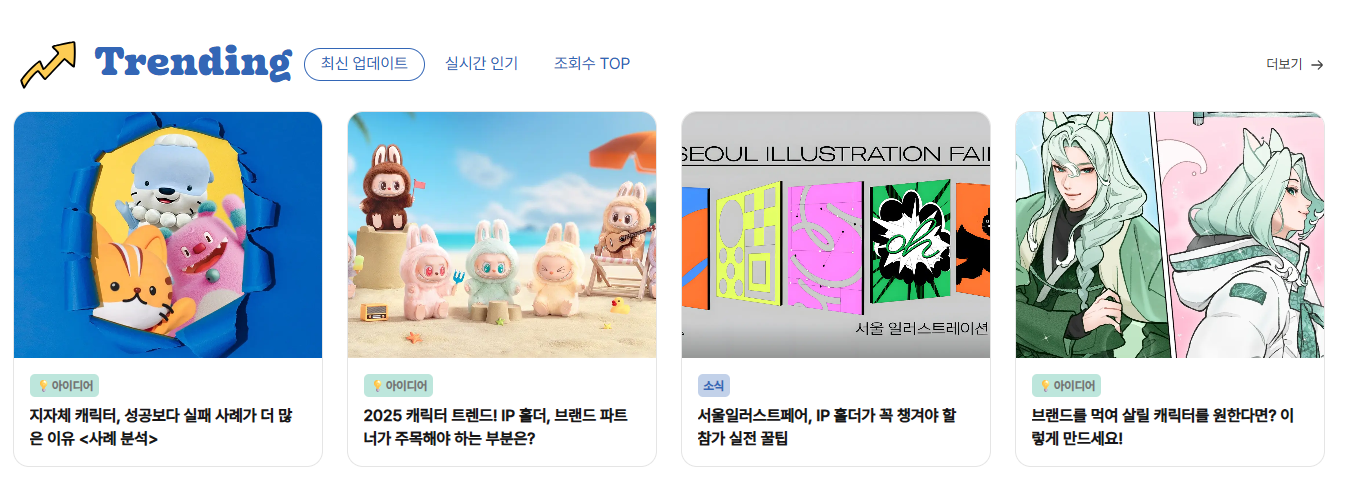
Inner Booth goes beyond simply summarizing trends in the character market; it offers practical suggestions on how best to apply these trends to character IP.
It also points out why a trend is gaining attention, and whether to develop it into content, connect it to merchandise, or use it as an opportunity to expand the worldview.
If you are feeling lost on how to develop your character, or if you see the trends but can't see a starting point, you might want to get some ideas from Inner Booth Insights.
Trends fade, but the sense to interpret and execute trends remains an asset that grows IP.
Inner Booth will be by your side as you cultivate that sense.
You May Also Like

June 1, 2026
August 13, 2026
July 30, 2026
How about these characters?