
January 28, 2026
When proceeding with a character licensing agreement, the IP holder must carefully review the entire terms and conditions of the contract.
The reason is that the scope of use, usage period, minimum guarantee (MG), and royalties are all important.

However, in actual contract situations, difficult situations can arise because people miss the true meaning of specific words even after carefully reading the clauses.
A single word can change a character's ownership or alter the direction of a brand collaboration.
Therefore, when drafting a contract, it is good to understand the overall flow, but it is also important to know what each and every word means.
Today, I will pinpoint and summarize only the words that IP holders need to pay attention to in contracts.
If you are an IP holder facing a licensing agreement, I hope you read this article today and carefully review the contract.
The first word you need to check in a character copyright agreement is 'assignment'.
The moment this word is included, the contract becomes not just a simple collaboration, but a contract for the transfer of the copyright itself.
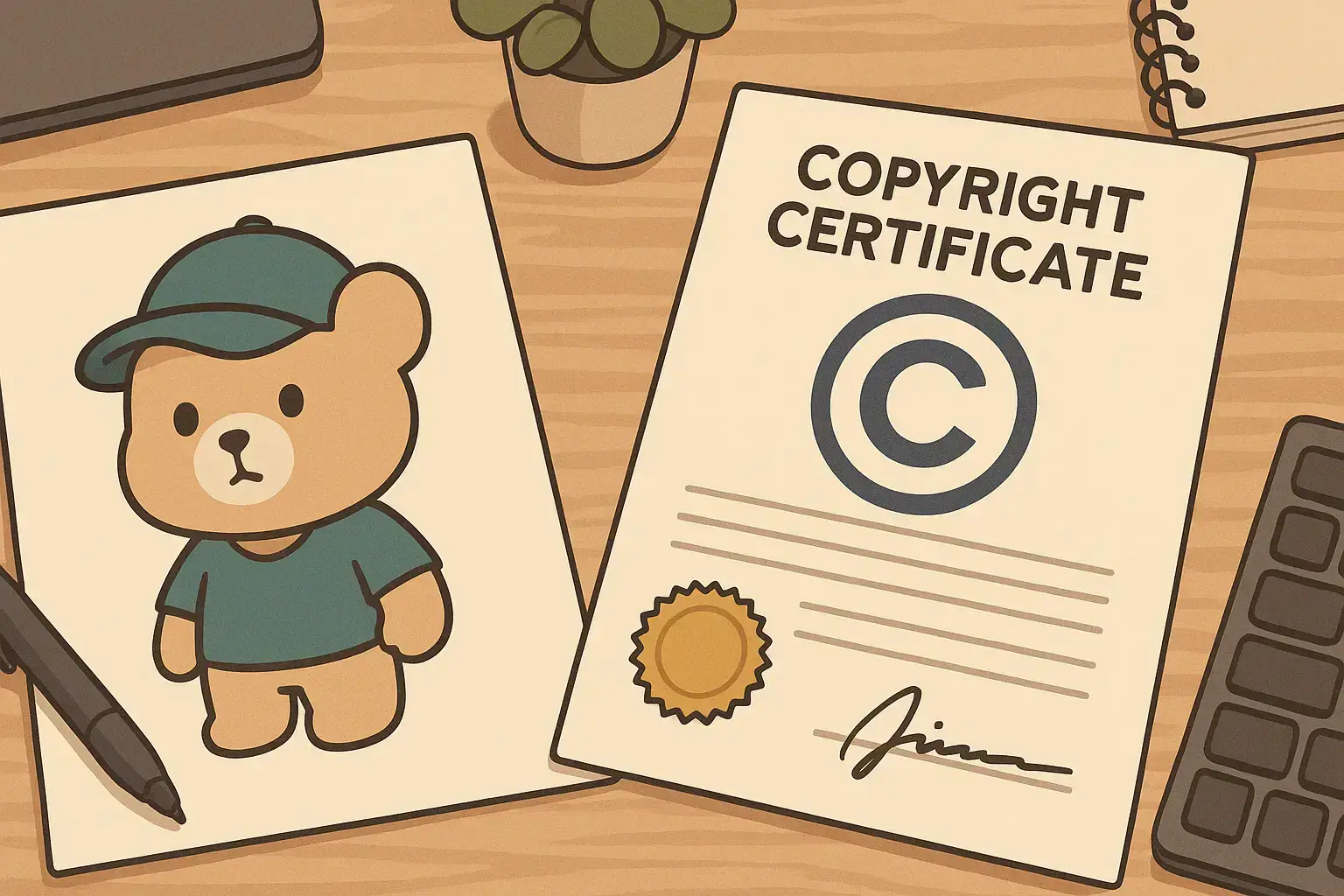
Copyright transfer means handing over the copyright to a character to the other party.
In other words, when a transfer agreement is concluded, the rights to the character are transferred from the IP holder to the other party.
In such cases, since the IP holder is no longer the copyright holder of the character, they cannot freely create merchandise or collaborate with brands in the future.
Even when using a character, you need the other person's permission.

On the other hand, permission to use is a method that does not transfer copyright, but rather grants only the right to use the character within a certain scope.
So, IP holders can expand their business while retaining the copyright to the characters.
If you are an IP holder who wants to operate a character long-term, you must first check whether the contract contains the term 'transfer' or specifies 'permission to use.'
Just because it is permission to use does not mean it has the same structure.
Even within usage licenses, there are concepts that must be distinguished: 'exclusive' and 'non-exclusive'.
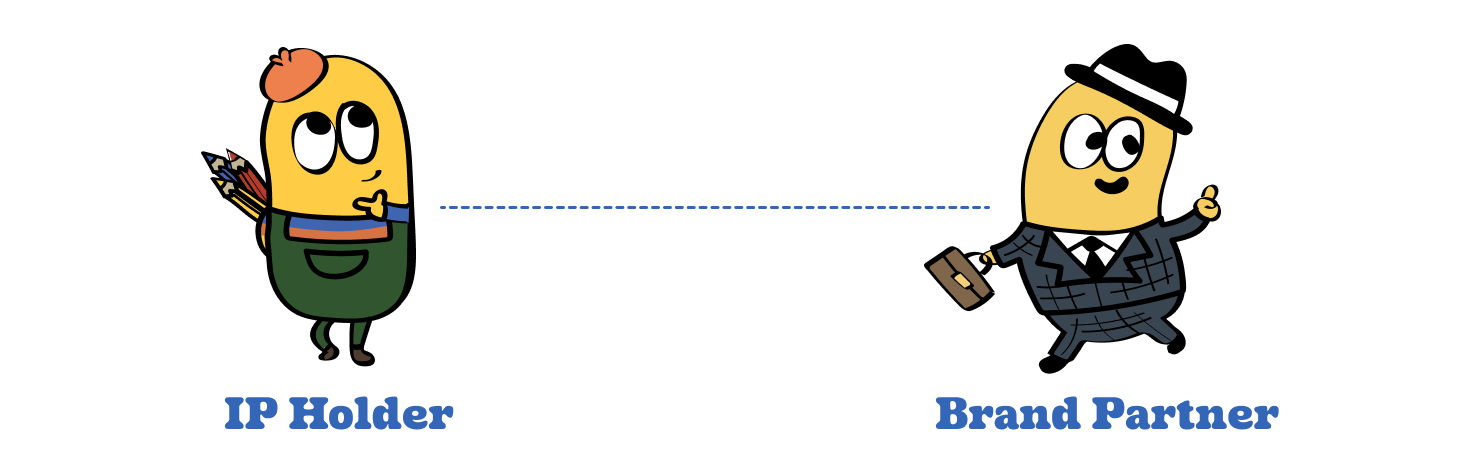
An Exclusive License is a method of granting the right to use a character only to the contracted party.
Even if we receive multiple brand collaboration proposals, we cannot sign a collaboration contract unless it is a brand with which we have an exclusive contract.
However, since it is an exclusive contract, there is an advantage in that the fee for using the character is much higher than for non-exclusive usage rights.
The problem is that the word "exclusive" can, if misused, restrict the scope of IP holders' activities.
Depending on the terms of the contract, there may be cases where even the IP holder is unable to utilize the character during the exclusive usage period.

On the other hand, a non-exclusive license is a much more advantageous structure for IP holders who want to expand their business opportunities.
A non-exclusive license allows you to permit the use of the character to multiple contracting parties simultaneously, and the IP holder can also freely maintain their own use.
Most character IPs do not end with a single project but enhance their value and expand their scope of utilization through various collaborations.
From that perspective, non-exclusive usage licenses have the advantage of expanding character opportunities and allowing for further growth.
TIP
You must also check the terms of use.
In the case of permission to use, since the character cannot be used permanently, a few conditions must be attached.
The most significant factors include usage area, usage period, purpose of use, medium, and quantity.
In particular, you must clearly state the usage period and purpose to prevent disputes.

One of the terms that many IP holders get confused about in contracts is the 'right to create derivative works.'
This right refers to the right to modify the character or create new works (games, merchandise, etc.).
Beyond simply using characters, you can change their appearance or settings to create new forms of results.
For example, changing a character's facial expression or pose, or creating animations, games, and merchandise can be included here.

If this right is granted comprehensively in the contract, there is a possibility that the character will be consumed in a way unintended by the IP holder.
It was only allowed to be made into figures, but it can also be made into animations and 3D characters.
Therefore, if you are an IP holder, you must clearly define the scope of derivative works when drafting a contract.
In addition, you need to check whether there is a prior consultation or approval process for derivative works, and whether inspection of the deliverables is possible.
If these sections are written vaguely, it could later lead to damage to the character image or issues with the brand's direction.

Character licensing is not a matter to be judged solely on emotion or trust.
Accurately understanding the legal significance of every single word written in a contract leads to the success or failure of your business.
If you sign a contract while overlooking just one word, you could lose your character or suffer massive losses.
Inner Booth delivers the necessary information to enable IP holders to continue their business based on evidence-based judgment, rather than relying on intuition or experience.
It plays a role in helping you understand how to utilize characters and what long-term results certain choices lead to.
In addition, we are creating a safe character business environment so that IP holders, agencies, and brand partners can collaborate while clearly recognizing their respective roles and rights.
If you want to grow your character without worry, try Innerbooth to continue sustainable business activities while preserving the value of your character.
You May Also Like

August 18, 2026

August 11, 2026
January 7, 2026
How about these characters?