
April 19, 2024
Characters are no longer the exclusive property of children.
It is a type of content that anyone, regardless of age or gender, can enjoy and consume.
It has now become completely normal for various media outlets, news channels, and TV to report on news related to characters.
Compared to the past, the character industry has grown to unimaginable proportions and continues to grow; it is expected to continue expanding its reach in the future.
According to Licensing International, the global licensing market is projected to grow at an average annual rate of 4.99% until 2025, with the character/entertainment licensing sector accounting for the largest share at approximately 45%.
The Korea Creative Content Agency also announced that the size of the domestic character market is projected to reach 13.6 trillion won in 2024 and grow at an annual average rate of 4.4% to reach 16.2 trillion won in 2025.
Characters are expanding their reach and becoming a significant part of modern life. What are the reasons behind the steady growth and growing interest in the character market?
In this post, let's explore the reasons together from a value chain perspective! 😆

One of the reasons for this significant growth is the change in the age group consuming the characters.
The scope of the character industry, which was once centered on toddlers and children, has expanded to include Generation Alpha, Generation MZ, and middle-aged generations.
Generations that grew up naturally encountering characters through media such as comic books, TV, theaters, and the internet have no aversion to characters and accept them naturally as a part of their daily lives.
Furthermore, characters serve as an element that evokes childhood nostalgia, providing psychological stability while also acting as an outlet for relieving stress.
As a result, character consumption among adults with income naturally increased.

Changes in media have also contributed significantly to the growth of the character market.
As the Internet developed and began to replace the role of distribution channels for various media, character content has become able to reach many people more easily and quickly.
Among them, messenger apps that allow the use of emoticons play a significant role in expanding the character consumer base to adults, social media serves as a medium for communicating through characters' stories and worldviews, and YouTube acts as a main distribution channel for spreading character content nationwide and globally.
As communication through various channels becomes active, characters are becoming a part of more people's daily lives.
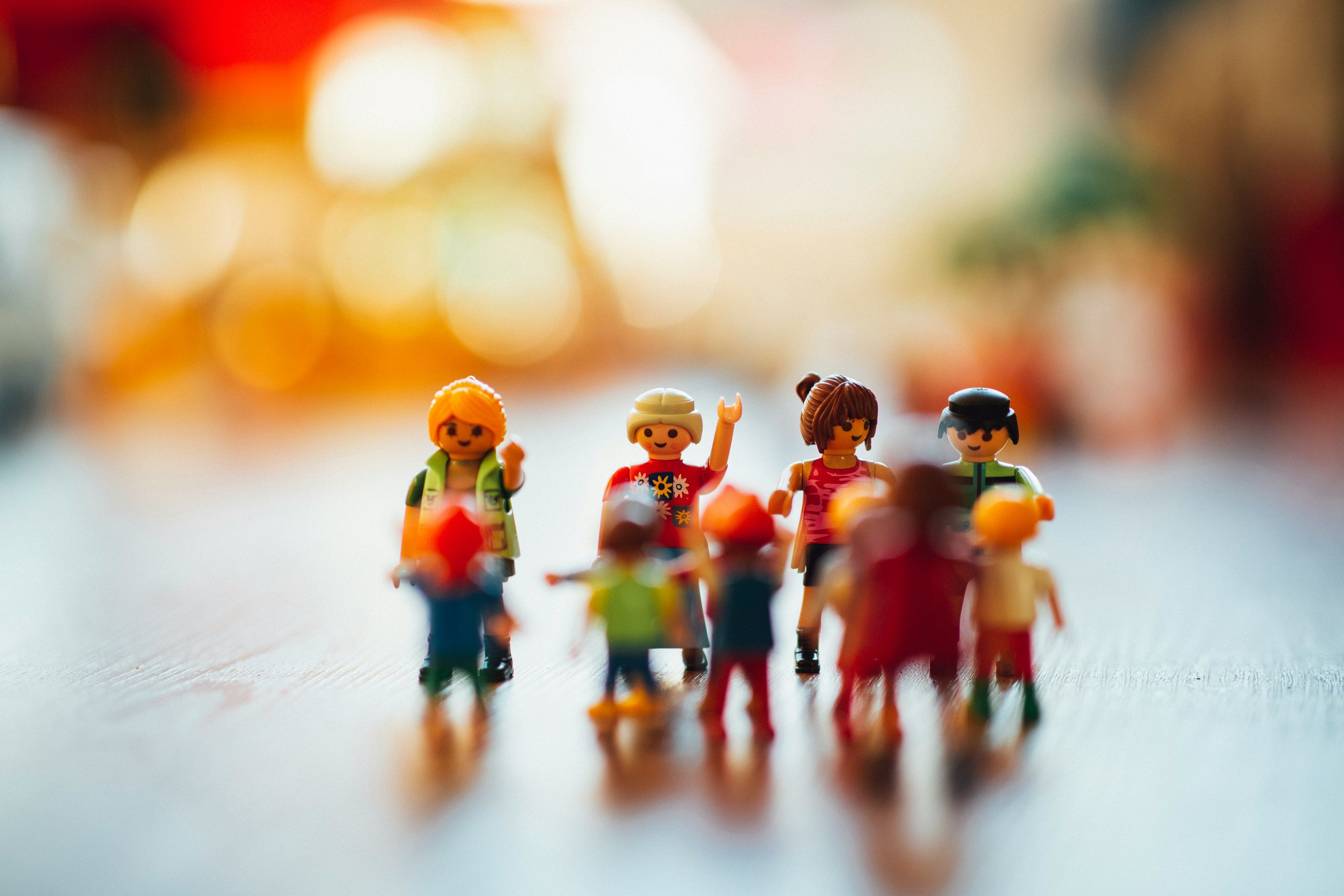
In the past, characters were primarily developed and produced by technically capable animation, game development, and fancy goods companies, but as technology advanced and times changed, the scope of this work expanded.
As application and SaaS (Service as a service)-based tools expanded, it became possible to easily produce digital images at a low cost. Consequently, the activities of individual IP holders began to surge.
I am continuously creating ways and opportunities to generate revenue while exposing my own character through platforms like KakaoTalk emoticons or Instagram webtoons.
Many brands are also developing and utilizing their own characters to build intimacy and a bond with consumers.

It has changed from the past, when character products were mostly low-quality or geared towards children.
As time passed, consumers' standards rose and the age range of character product consumers expanded, leading to the emergence of high-quality character products designed for various age groups.
Products featuring characters are being consistently released in new and diverse fields, including not only daily necessities but also cosmetics, fashion clothing, automotive accessories, and financial services.
Even luxury brand partners are launching products featuring characters to boost sales.
This is because products or services featuring character designs not only offer something new to existing customers but are also effective for attracting new ones.
Increased demand for character merchandise raises the character's influence, and this increased influence also raises the appeal of the character merchandise.
The character industry continues to develop through this virtuous cycle.
The market is steadily growing as various domestic character IP holders provide unique and attractive characters and high-quality character merchandise through various channels.
This growth is very similar to the ‘character boom’ that the Japanese character market experienced from the mid-1990s.
Inner Booth hopes that these changes will drive the sustainable growth of the character market and, furthermore, lead to the strengthening of the competitiveness of Korea's unique characters, enabling us to become a globally recognized powerhouse in the character industry!
You May Also Like

June 1, 2026
August 13, 2026

August 4, 2026
How about these characters?