
August 4, 2026
If you look at recent game collaborations, you can see interesting changes.
In the past, it was limited to adding character skins or releasing limited-edition items, but now they have started incorporating the characters themselves into the game's features.
A prime example is Krafton's 'PUBG Mobile'.
In collaboration with the recent movie 'Spider-Man: Brand New Day,' we not only recreated Spider-Man's appearance but also incorporated his ability to move by web-swinging and climb walls into the gameplay.

Around the same time, Puzzle & Dragons also collaborated with Detective Conan.
We didn't just add collaboration characters; we also connected Conan's worldview to the quests, dungeons, and reward systems, allowing users to naturally enjoy the content.
What is interesting is that this trend is appearing outside of games as well.
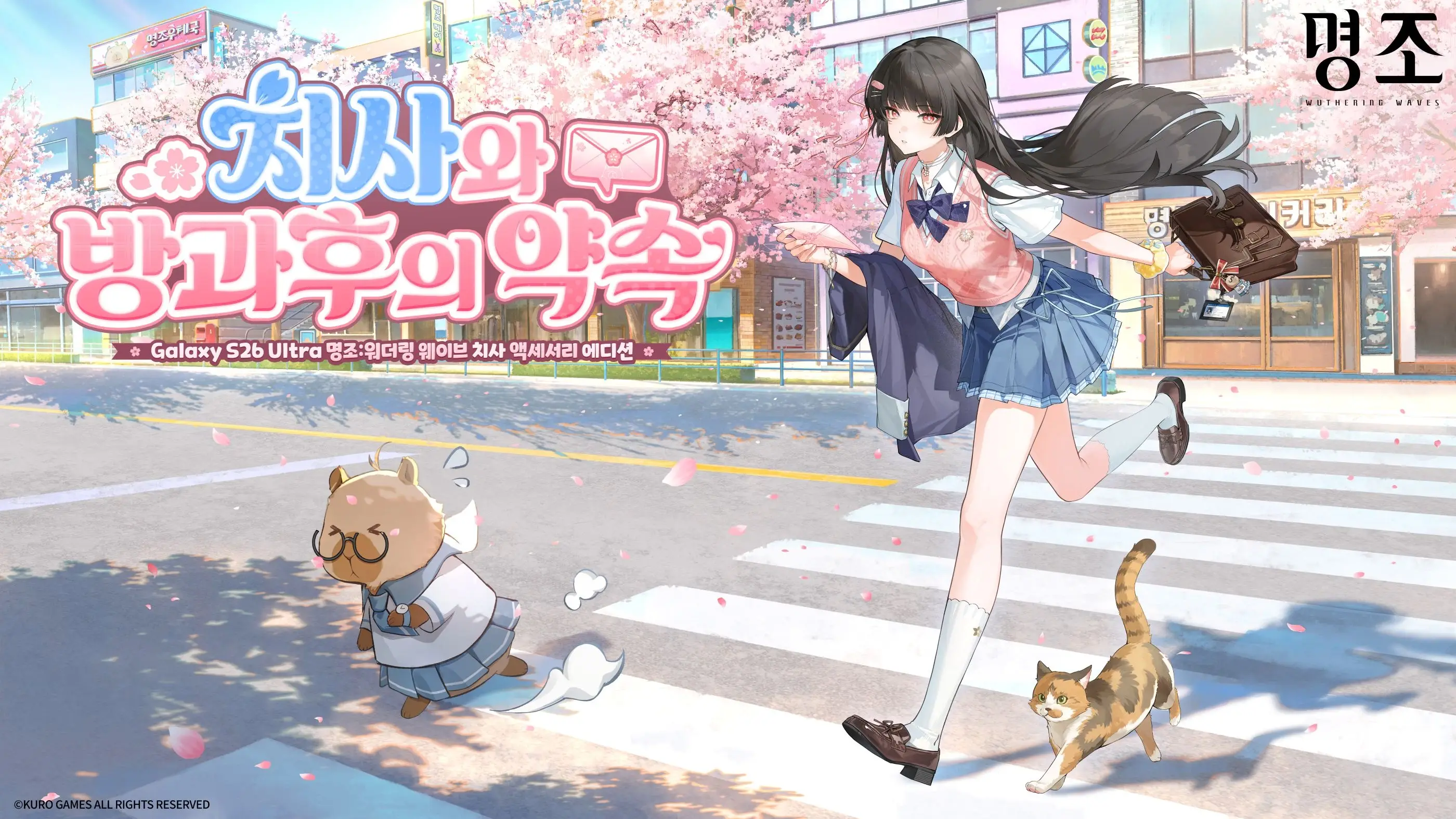
Samsung Electronics also collaborated with the game 'Ming Dynasty: Withering Wave' while unveiling its new Galaxy Z Fold and Flip products.
Instead of putting a character image on the product, we applied the character 'Aimes's' voice as the Bixby voice.
Although the fields are different, the three cases have one thing in common.
The point is that it didn't just stop at adding characters for aesthetic purposes, but was actually developed into a feature that consumers use.
Until now, for game collaborations, how well the characters were implemented was important.
Just having cool skins or limited-edition outfits was enough to generate a lot of buzz.
However, recently the direction has changed a little.
Now, there is an increasing number of cases where representative characteristics of characters are being incorporated into game rules or service features.

It is like incorporating the movement style of web-swinging into Spider-Man, or the mystery world of Detective Conan, into the gameplay experience.
The case of Samsung Electronics can be said to be in the same context.
Through this method, users hear the character's voice every time they use their smartphone and naturally experience the character.
When characters start playing actual roles within the service like this, collaboration becomes not just a simple design task, but a new user experience.
Professor Kim Jung-tae of the Department of Game Studies at Dongyang University explained that implementing the characteristics of the original IP into actual gameplay is the most active form of collaboration.
In particular, we observed that the longer a game has been in service, the greater the effect.
This is because it not only attracts new users but also provides a reason for users who have been away for a while to log in again.
This story can be applied just as to other brands, not just the gaming industry.
Membership services or payment apps that have been in operation for a long time often end up being just a fleeting trend even when they launch new events.
However, if you bring characters into the service features, the situation could change.
For example, simply changing the voice prompt for point accumulation to a character voice or applying a character's tone to reminder notifications can significantly change the user experience.
Actually, deeply embedding characters into the function is a heavy choice.
Since this involves coloring the core experience of the service with the character's colors, choosing an IP that does not fit the brand could actually cause inconvenience to existing users.
If we look again at the three successful cases, they are all designed in a way that avoids risk.
The Web Swing feature in PUBG Mobile is only enabled in a limited-time exclusive mode, and the Conan content in Puzzle & Dragons is also bundled separately with exclusive characters, quests, and dungeons, so only those interested can use it.
Bixby's Ames voice is also an option that users can choose to use whenever they want, so it can be used selectively.

In other words, these collaborations didn't change the characters to the default settings of the service; instead, they created a separate, narrow space dedicated to the characters and went deep into it exclusively within that space.
It is a structure where those who are interested enter that space and experience it properly, while those who are not interested continue to use the service they were originally using.
Ultimately, what matters in functional IP collaborations is not 'how deeply it is implemented,' but 'how far you will extend that experience.'
If you are preparing a character collaboration, try starting by creating a separate experience exclusively for the character rather than changing core features right away.
For apps, this could be limited themes, voice packs, or event pages, while for offline, separate spaces like pop-up areas or experience zones are also good options.
By starting this way, you can maintain your existing services while providing an immersive experience for character fans.
If the response is positive, we can then expand some of the features into a main service.
It is much less burdensome than changing everything from the start, and even if it fails, you can quickly return to the original state, so you can proceed with character collaborations without major risk.

However, especially for functional collaborations, the most important thing is to first find out 'which character fits well with our service' rather than 'what features to include.'
Since each character has different representative actions, speech patterns, and worldviews, the user's experience can vary significantly depending on which IP is selected, even for the same function.
If you are unsure which character would be a good fit for your service, utilizing Innerbooth's Match-up feature is a great option. By registering your brand's desired concept and collaboration objectives, you can receive suggestions for characters that meet the criteria or, conversely, receive applications from interested IP holders.
If you are considering a new collaboration focused on functionality, start by finding out which character fits most naturally.
You May Also Like

June 1, 2026
June 8, 2026
July 28, 2026
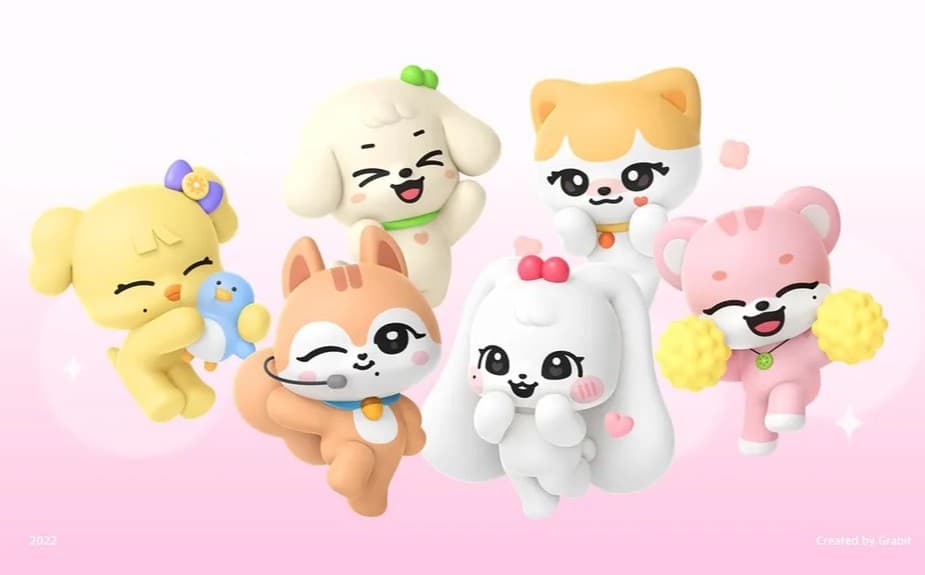
How about these characters?