
October 14, 2025
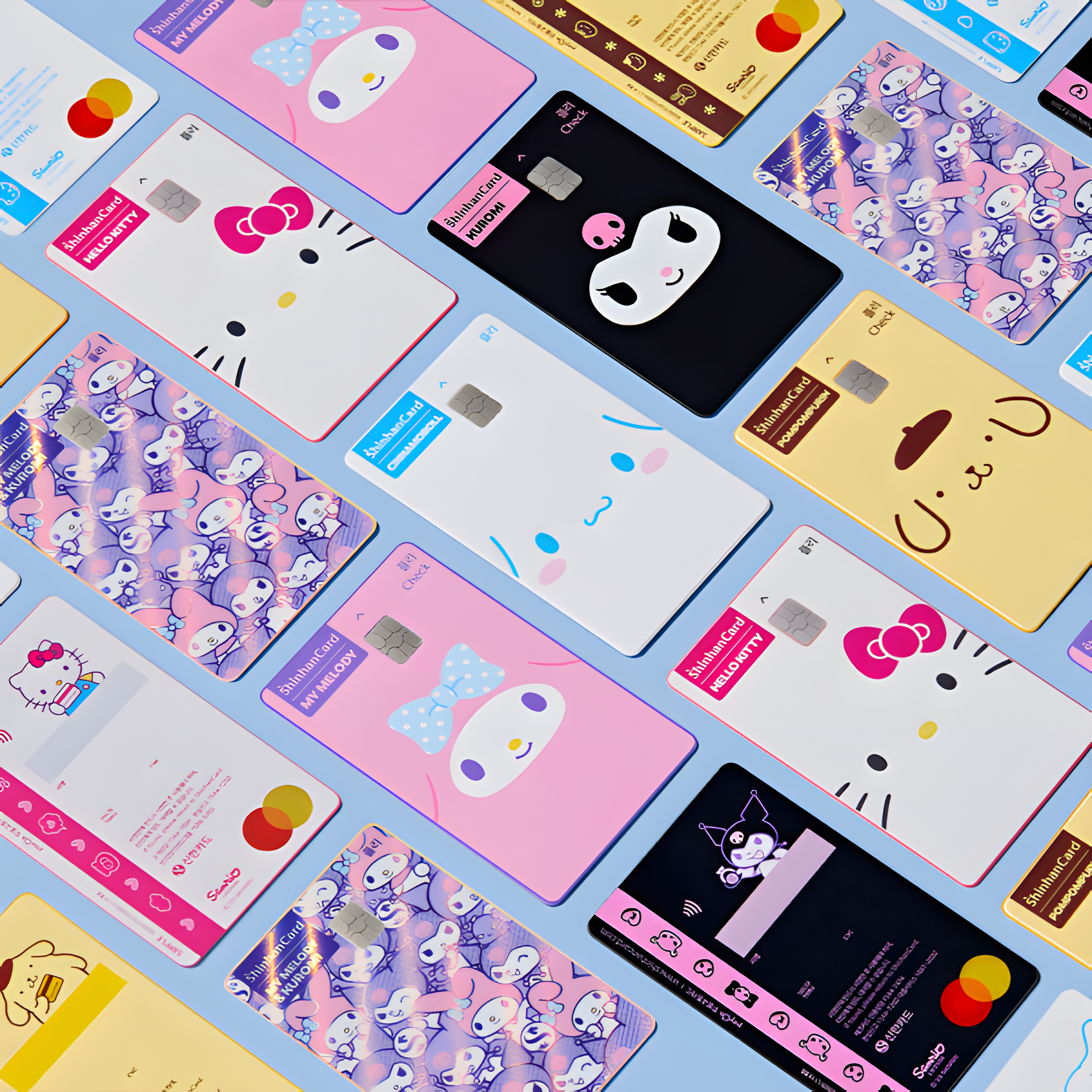
Recently, there has been a noticeable increase in collaborations between character IPs and brands.
It is now easy to see character IP being actively utilized not only in everyday fields such as cosmetics, fashion, and food, but also in industries that once seemed far removed from characters, such as luxury goods, IT, and finance.
Thanks to this environment, IP holders with character IPs are also receiving various collaboration proposals.
Unfortunately, however, when you actually receive a collaboration proposal, there are many cases where people are confused about what criteria to use to proceed with the contract and what to be careful about when conducting character business.
This is likely because information regarding the character business is not well known.
Collaboration is an opportunity, but if you proceed without preparation, it can actually lead to results that are disadvantageous to the IP.
In reality, many IP holders make similar mistakes, and as a result, there are quite a few cases where they fail to fully reap the benefits of collaboration.
So, in this article, I have summarized three common mistakes IP holders often overlook ahead of collaborations with brands.
The essence of collaboration is to further enhance each other's appeal and value.
However, if the brand's value and the character's identity are inconsistent, no matter how famous the brand or character is, it ultimately creates a sense of alienation for consumers.
Shall I give you an example to make it easier to understand?
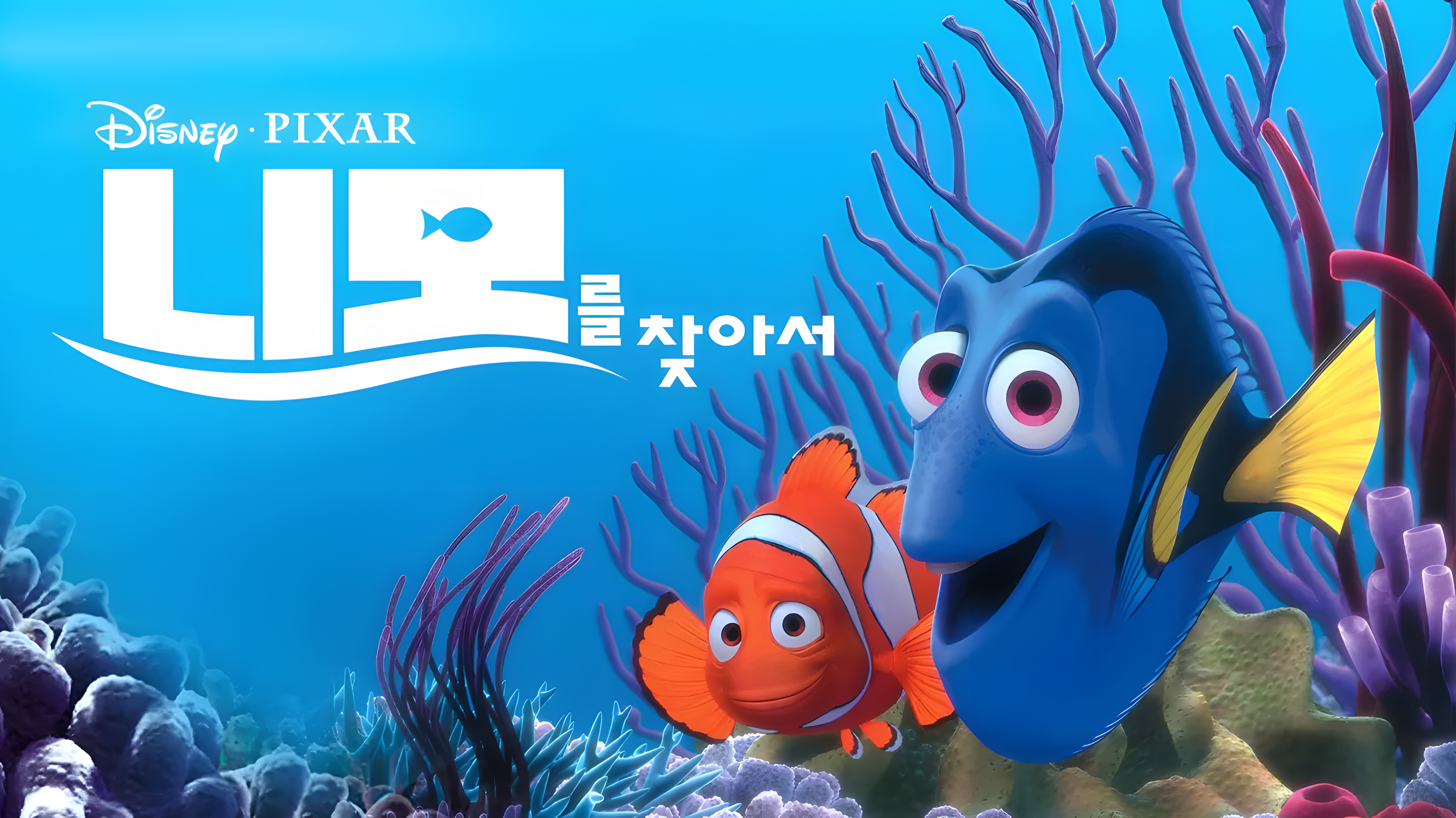
Disney’s ‘Finding Nemo’ is an animation that conveys the ecology of the underwater environment and a message about environmental protection.
However, what if this character IP were to collaborate with a brand embroiled in controversy for ‘destroying the marine ecosystem’?
For example, if it involves collaboration with product brands that produce excessive amounts of single-use plastic or companies that are passive about marine waste disposal.
In such cases, since the messages of collaboration are completely conflicting, consumers are bound to feel inconvenience or confusion.
In severe cases, even the character's authenticity and identity may be called into question.
Of course, this example was given as an extreme illustration to support the explanation, but you must not forget that the brand's direction and the story behind the character IP are just as important.
What is more important than short-term buzz is long-term brand credibility and character value.
Therefore, when you receive a collaboration proposal, it is important to consider whether the brand's direction and style align with your character's worldview, rather than figuring out 'how famous the brand is.'
Rapid communication is vital for brand collaborations.
Since most brand partners determine the project schedule and make collaboration proposals, if the response to a collaboration proposal is delayed, the brand has no choice but to select another partner due to the schedule.
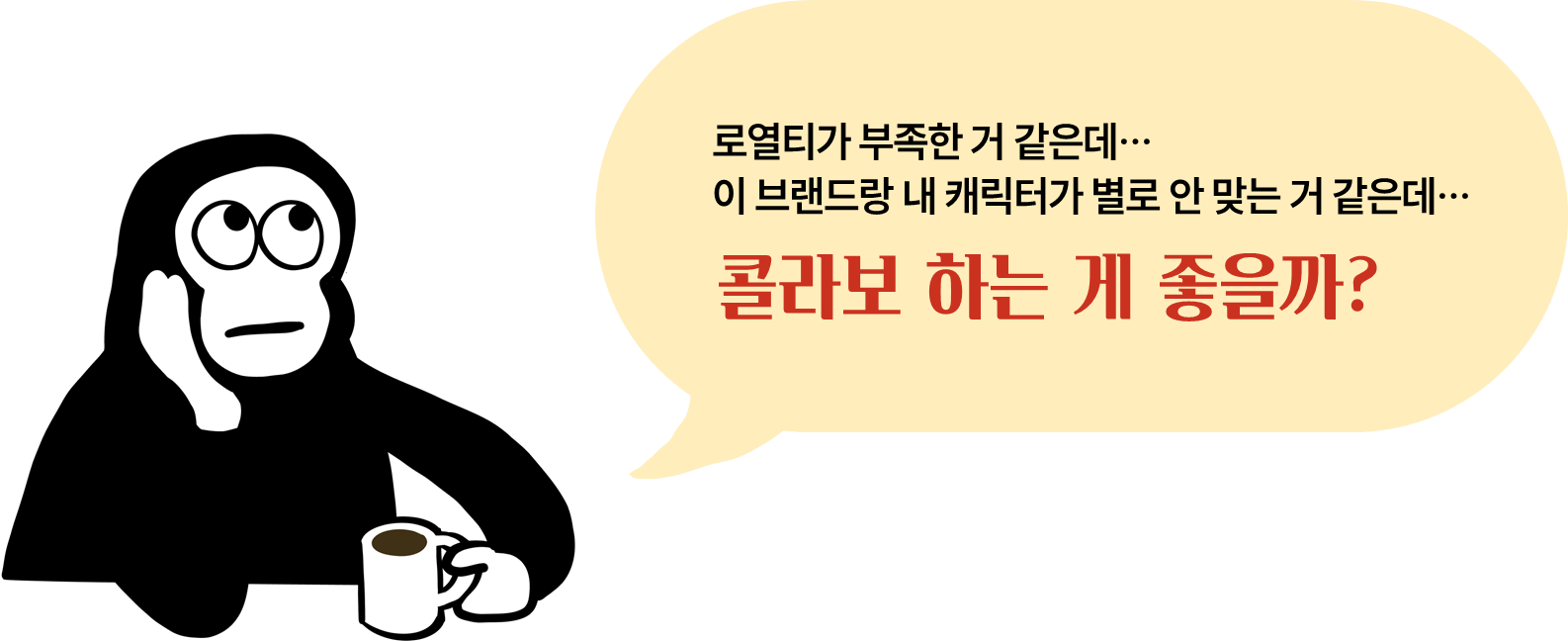
While it is most desirable to respond to all suggestions immediately, if you need a little time to think, sending a simple reply such as "Thank you for the suggestion. We will reply by OO after an internal review" can improve the impression of your collaborative attitude.
If, by any chance, it is difficult to check emails and DMs regularly due to a busy schedule, using the Inner Booth channel could be one solution.
In addition to notifying IP holders of incoming chats via text and email, the Inner Booth channel serves as the fastest channel for communication between brand partners and IP holders.
The role of the inner booth
Since we receive product planning applications from brand partners and forward them to IP holders, the key points of the collaboration are quickly conveyed.
It reduces collaboration stress by streamlining the cumbersome communication process.
If the response is delayed, a reminder prevents the schedule from being delayed.
In business partnerships, you must remember that an IP holder's communication skills are the foundation of trust.
The relationship between an IP holder and a brand partner is based on trust, but ultimately, the clearest proof of that trust is the 'contract'.
You, reading this right now, are probably confident that you would never make a mistake with a contract because it is such an important part, but the reality is that it is rarely that simple.
When you actually receive the contract, due to unfamiliar terms and broad sentences There are many cases where people just let it slide, thinking, "This should be fine."
Such small carelessness can later become the seed of conflict.

It is especially important for IP holders engaging in collaboration for the first time to scrutinize every single contract clause in depth.
This is because even if you start with a good relationship at the beginning of the contract, unexpected problems can arise during actual collaboration.
Basically, it is important to keep the following contract clauses in mind and check them carefully.
Points to check when drafting a contract
Character IP Usage Scope, Period
Royalty rate, payment method
Edit permissions during the production process
Sales reporting obligation
SNS content promotion conditions
👉 If there is even a single clause you do not understand, be sure to ask.
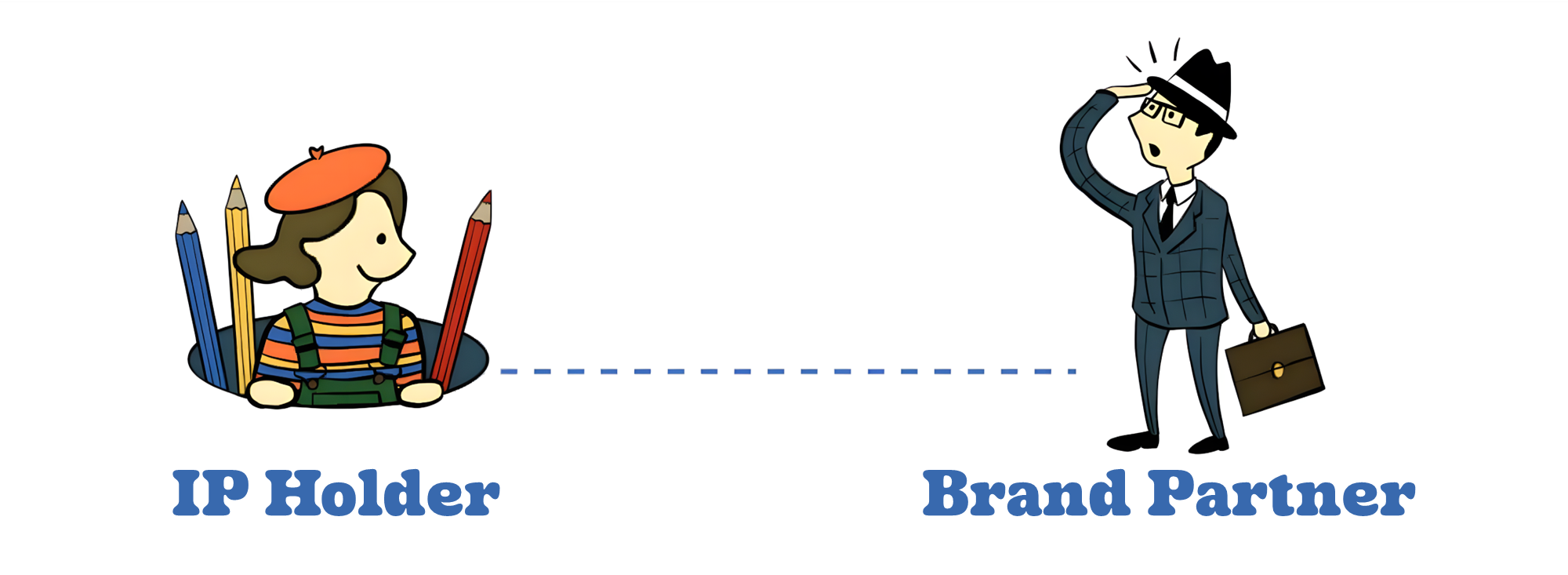
Rather than simply relying on 'trust,' clarifying each other's positions and distributing responsibilities is the starting point of a true partnership.
Character IP and brand collaborations may look glamorous and fun, but in reality, it is a business that requires more preparation and judgment than you might think.
And the small mistakes that occur during that process can later result in unexpected losses.
✔️ Cases where the brand's direction and character do not align well, causing confusion among consumers
✔️ Missing out on good collaboration opportunities due to delayed replies
✔️ Cases where problems arise later due to not reading the contract properly
At first, mistakes may seem like a minor issue, but as collaboration progresses, each one can have a significant impact and lead to bigger problems later on.
So, to reduce such mistakes, you need to double-check, ask questions, and make choices that suit your character.
Keep in mind that the habit of minimizing small mistakes is ultimately the surest way to make brand partners seek out your character IP for the long term.
You May Also Like

August 18, 2026

August 11, 2026
January 7, 2026
How about these characters?