
May 11, 2026
As the character market heats up year after year, the concerns of brand marketers are becoming more intense than ever.
This is because a complacent approach of simply thinking, "Let's just put a cute picture on a product and sell it," no longer works with savvy consumers.
Whether to spend tens of millions of won to bring in a big-name star known to the entire nation to secure stable buzz, or to discover a fresh indie character who is like a raw gem yet perfectly matches our brand to aim for a synergistic turnaround, becomes the most critical crossroads that determines the success or failure of the project.
Ultimately, the essence of this dilemma boils down to a managerial decision on where to invest a brand's limited capital and time to achieve the desired results.
The marketing results differ completely depending on whether you play it safe by riding on public recognition or leverage the firepower of a small but powerful fandom to demonstrate an unrivaled presence.
If you are hesitating to collaborate with characters due to these concerns, it is time to objectively assess your brand's current situation and the ultimate goal of this campaign, and then analyze the strengths and weaknesses of each character.

Collaborating with a popular IP is literally like using a 'cheat code'.
Even if a brand doesn't go into lengthy detail explaining the product's advantages or concept, the moment consumers see the character, they already begin to project a positive image onto the brand.
So, popular characters become the most powerful weapon in situations where you need to rapidly expand a brand's scale in a short period or enter a new market requiring public trust.
With just one reaction like, "Oh, is that the place that collaborated with that character?", you've already won half of the marketing.
Especially when displaying merchandise at offline pop-up stores or large stands, seeing the crowds flocking in because they recognize the character without any separate promotion makes me realize the power of a popular character.

However, behind the glamorous facade, there are realistic constraints that brands must endure.
The first wall you encounter is, as expected, the high barrier to entry.
Minimum guarantees (MG) ranging from millions to hundreds of millions of won and high royalties are a significant burden for brands with limited budgets.
Furthermore, since characters with proven popularity often collaborate with multiple brands simultaneously, it is more difficult than expected to maintain our brand's uniqueness.
If you're not careful, using the same character at a similar time to a competitor could just cause consumer fatigue.
In addition, the fact that design modifications are almost impossible due to the strict character guidelines also becomes a major obstacle for those in charge who want creative marketing.

Conversely, while indie characters may have less mainstream fame, the loyalty of their fans is much hotter and deeper than that of major characters.
The MZ generation, who are leading today's consumption trends, are more attracted to unique characters that represent their tastes and that they want to keep to themselves, rather than things everyone else knows.
As a result, fans of indie characters view them not merely as objects to be consumed, but as companions they sincerely support and grow together.
When they hear news of a collaboration with a brand, they rejoice as if it were their own achievement and voluntarily share it on social media.
Therefore, having 10,000 die-hard fans enthusiastically upload purchase verification photos and leave reviews can be much more helpful for actual sales and strengthening brand loyalty than having 1 million people just skim through the exposure.
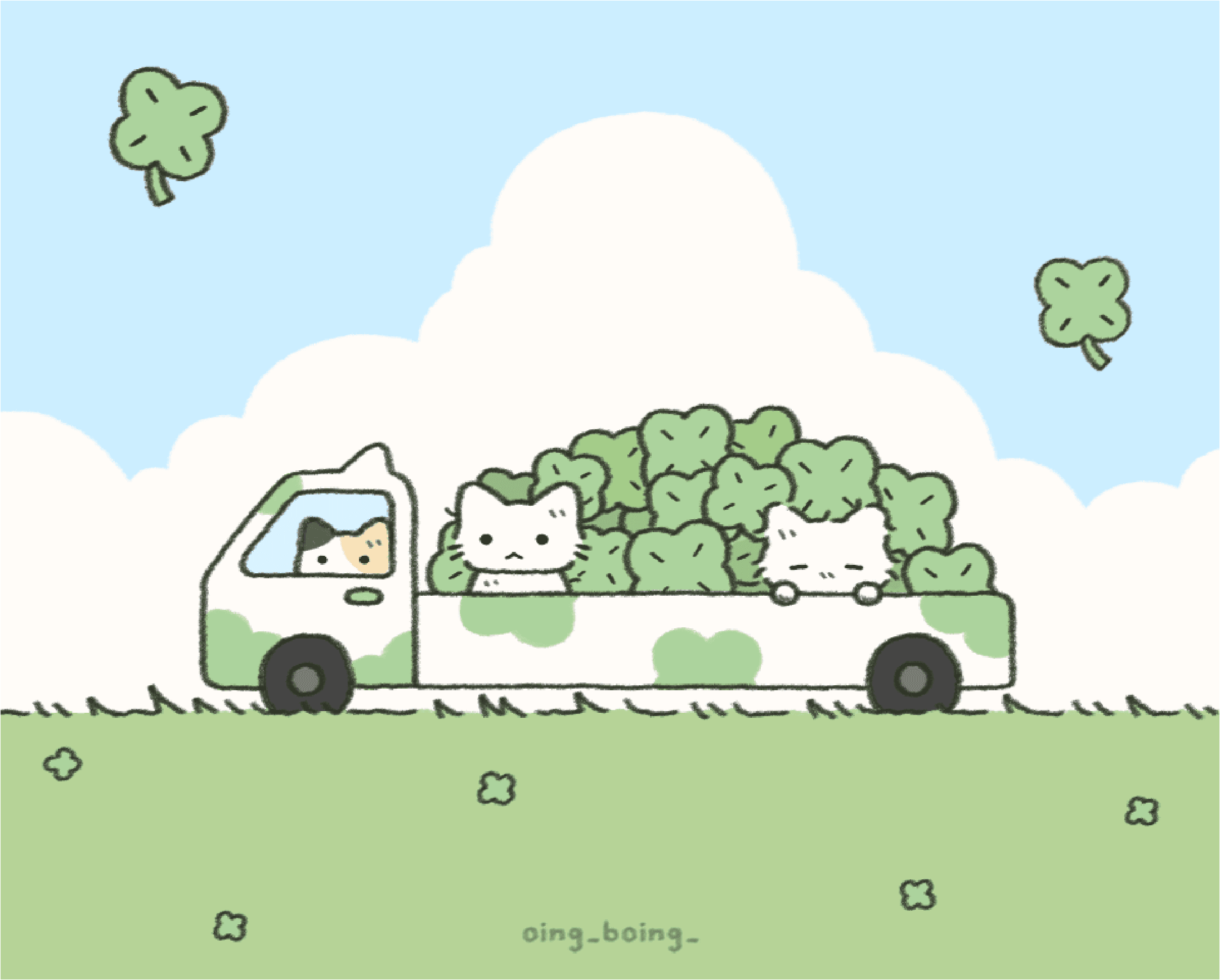
 Source: Tutogi Official Instagram (@tuteogi)
From a business perspective as well, indie characters can be a very smart choice.
Not only is the cost burden relatively low, but the collaboration method is also very flexible, allowing brands to freely try out the creative approaches they desire.
We provide the optimal environment for creating special stories that can only be seen at our brand by communicating directly with IP holders and deeply incorporating the brand's message into the character's worldview.
Such close collaboration goes beyond simple product launches and has the effect of instilling a 'hip vibe' and a 'trendy image' into the brand.
Of course, indie characters don't only have advantages.
Since IP holders for indie characters are often individuals, the speed of schedule management and guide provision can be slower than that of agencies, so brand managers need to handle this meticulously.
division | popular characters | Indie character |
|---|---|---|
expense | Royalty· High minimum guarantee | Royalty· Low minimum guarantee |
Recognition | Already proven public recognition | Awareness centered on specific target groups |
Fandom loyalty | Wide but dispersed fandom | A narrow but close-knit fandom |
Degree of freedom of use | Strict guidelines, many restrictions | Flexible collaboration possible |
Brand Objectives | Rapid recognition | Close targeting of specific targets |
Ultimately, the criteria for selecting a character lies not in their fame, but in our brand's current position and the final destination of this project.
If what a brand needs right now is overwhelming exposure to the entire public and securing credibility, partnering with a popular character, even if it means taking a risk, would be a rational choice.
However, if you have a clear target and want to deeply infiltrate their daily lives to build an authentic relationship, the synergy shown by an indie character will unleash explosive power beyond expectations.
In fact, the power of characters loved by a specific target audience is being proven in the recent character market, rather than characters known to everyone.
There is a growing number of cases where small indie characters grow into major characters by forming a perfect match with brands, and fans show greater affection for brands that share this process of growth.

Innerbooth helps brand partners make strategic decisions without making mistakes.
From popular characters known by name to indie characters with a solid fanbase, you can compare the characteristics and metrics of various characters at a glance to find the partner that best suits your brand.
Rather than becoming a flash-in-the-pan star created by the character's name value, I hope this becomes a sustainable collaboration where the brand and character meet to create new value.
After all, great collaborations start not with fame, but with the perfect synergy created when a brand and a character meet.
You May Also Like

August 18, 2026

August 11, 2026
January 7, 2026
How about these characters?